

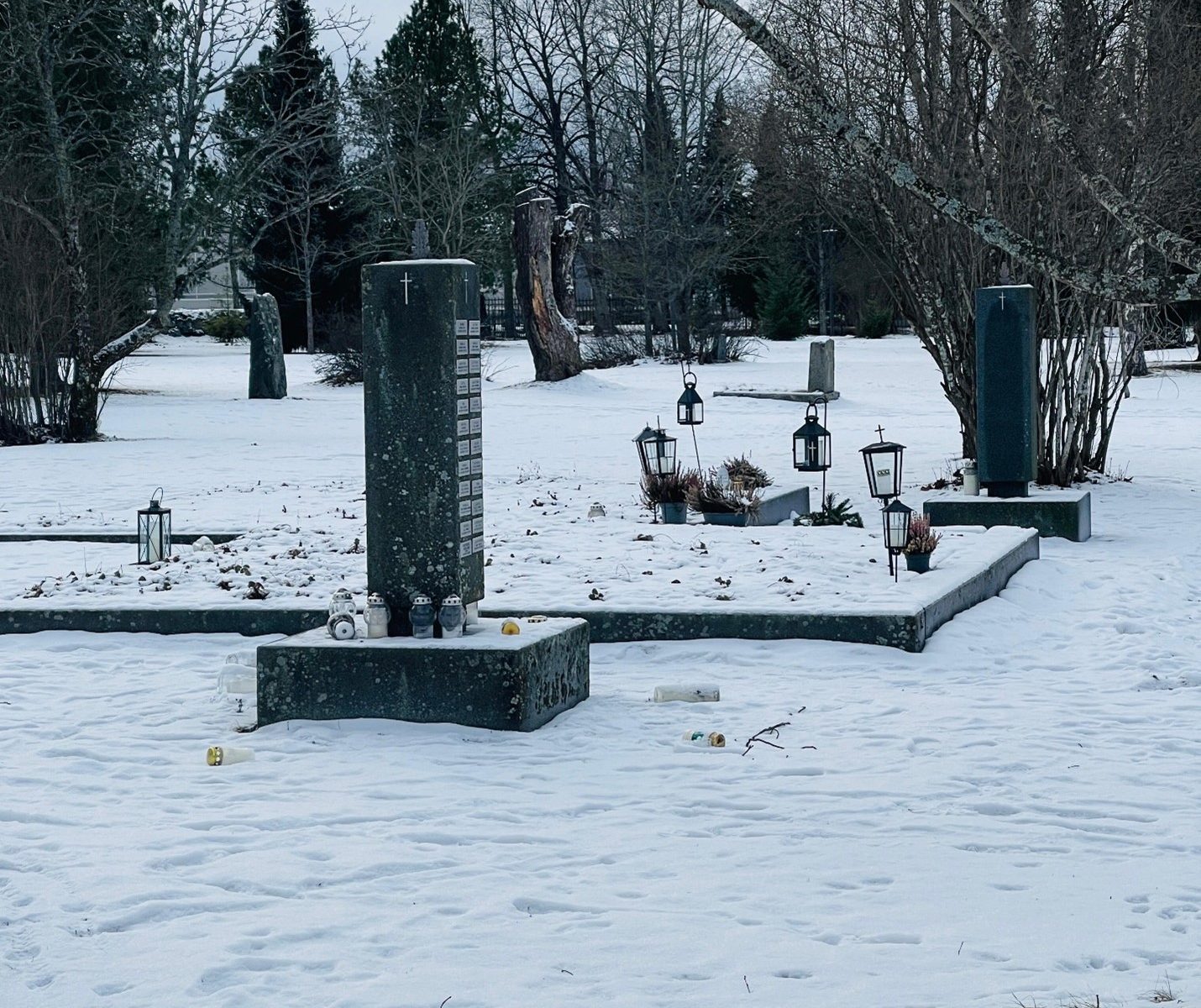
The Pori Old Cemetery is located near the center of Pori. It is a very old cemetery in Pori. I elected this cemetery for my cultural walk since it is near my home and it is not different from the cemeteries in my culture. Since people from all walks of life end their lives in such a cemetery, I thought I would write a blog post about such a place.
Based on what I have read about the Pori Old Cemetery, it is a 19th century site and is considered a national cultural heritage site. Because it not only reflects traditional Finnish burial customs but also shows the monumental style of that period and the urban planning of that time.
The burial grounds of many important people such as merchants, government officials or artists are also found here and this place is also an excellent historical archive of the social history of the area it occupies. Tombstones, iron crosses and family graves are just a few of the items that illustrate how our culture and way of remembering has evolved over the years.
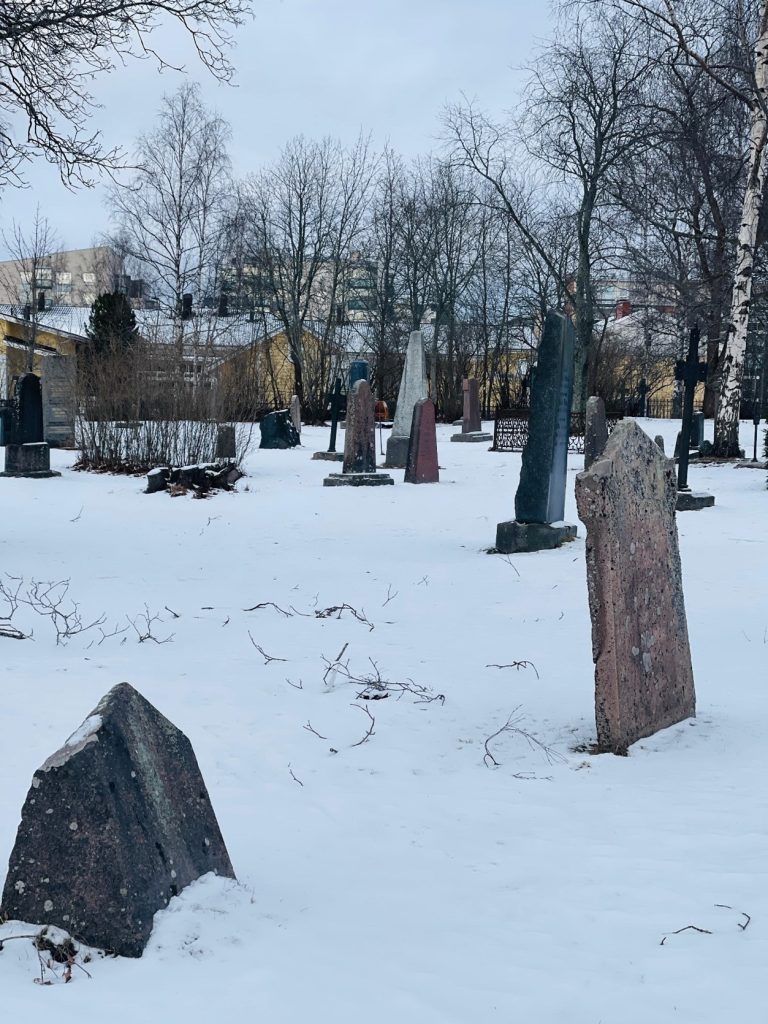
In my opinion, the cemetery is important to Finnish culture because of its age and the way it was designed. There were three entrances and one tower near the area. It felt very open because of all the tall trees around it, but the paths were covered in snow. And there were some equipment for small children to play in at one end.
I could see a few lit candles on some of the graves. These added to the overall combination of nature and architecture that makes the place recognized as part of Finland’s nationally significant built cultural heritage.
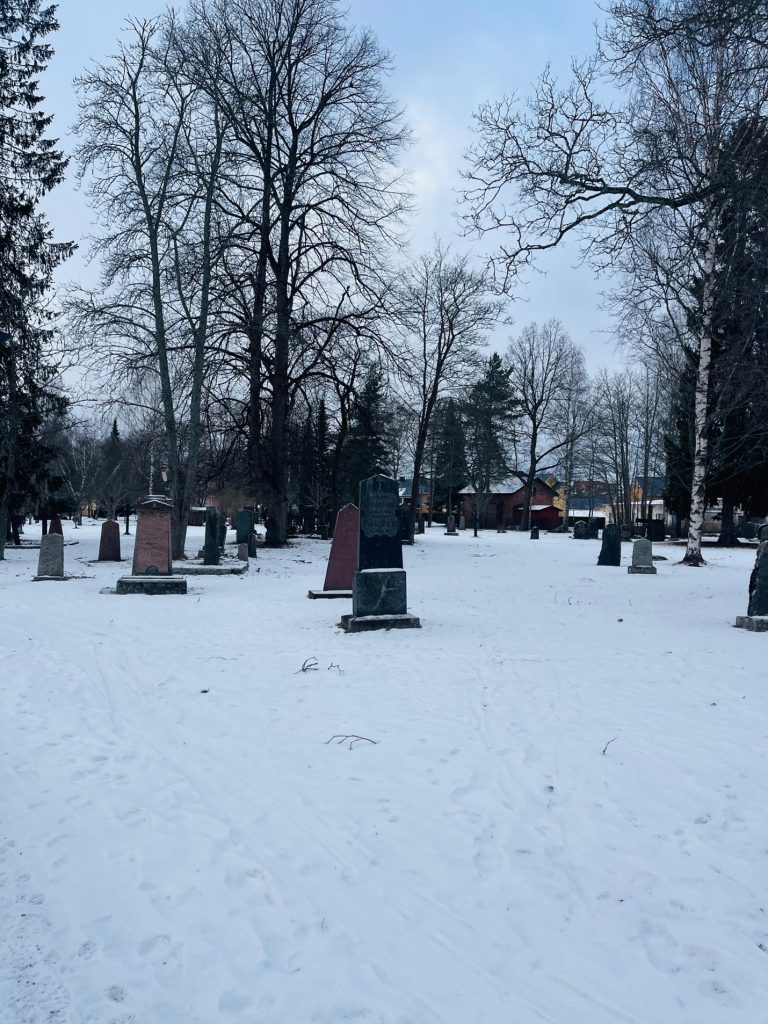
This cemetery is located in a very beautiful and peaceful area. This noise was softened by the surrounding trees creating an environment similar to an open air museum. Some of the tombstones had been buried long ago and had become increasingly eroded over time, while others had been regularly cared for by current generations of those who loved them to demonstrate the effectiveness of their long-term memory.
It seemed that there was enough space within the entire property boundaries, not only for walking but also for remembering individuals as well as for commemorative events.
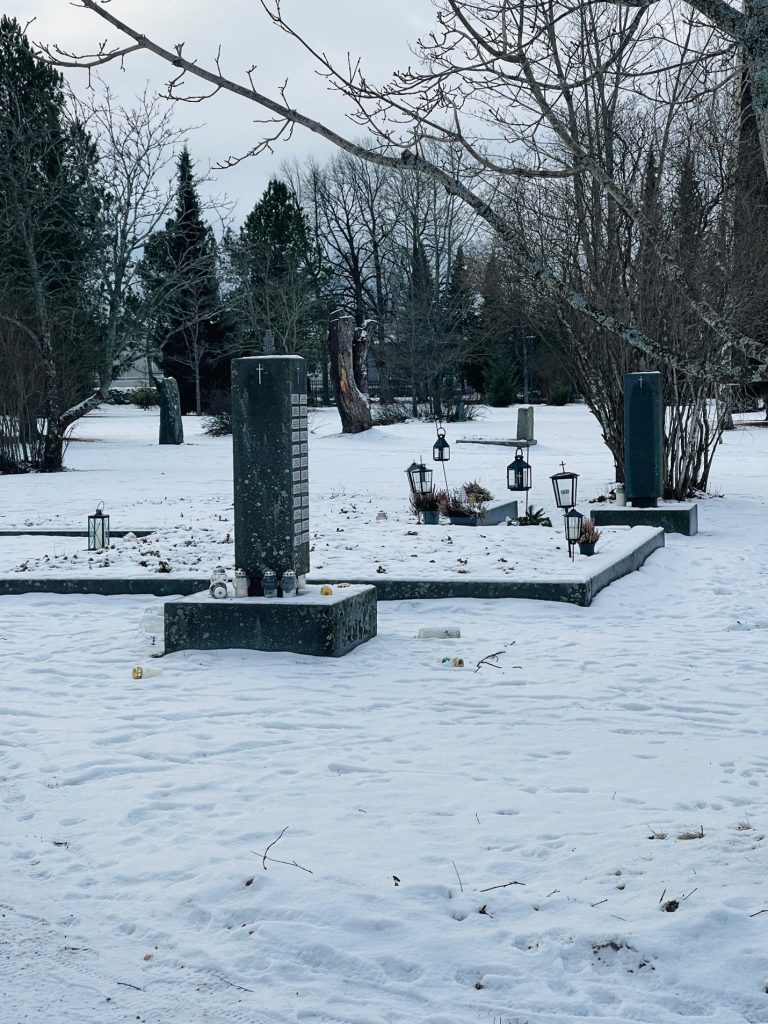
To me, seeing that cultural heritage isn’t only exhibited through museums or public landmarks was a revelation that many people pass through these types of spaces daily without realizing that these landscapes also form part of our culture.
I spent a great deal of time at the Pori Old Cemetery where people have been buried for hundreds of years, and where the legacy of the past lives on through the individual experiences of each family name, as well as through the landscape that exists today.
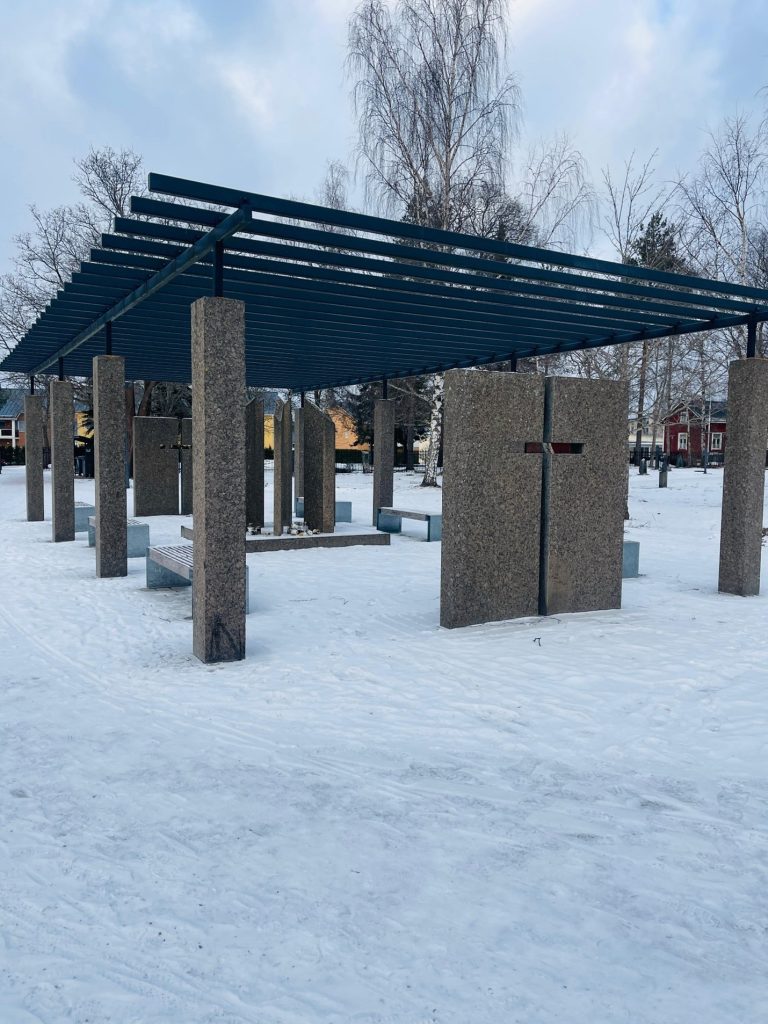
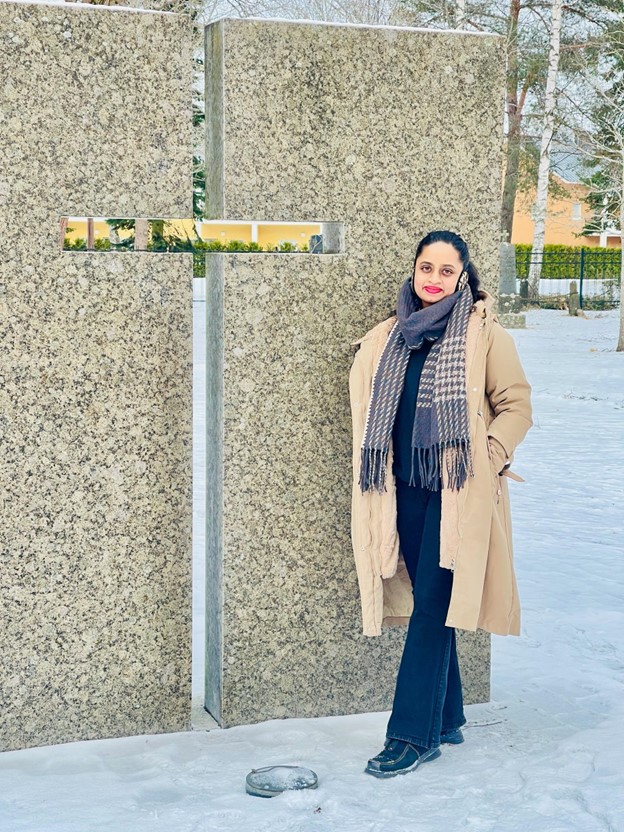
The Pori Old Cemetery was like visiting a living history museum. Most tombstones in this graveyard include crosses, representing the value of Christianity in Finnish culture for honoring one’s deceased loved ones. In centre of the graveyard stands an impressive concrete obelisk symbolizing gathering area/memorial, creating visual centre point for rest of cemetery; several lit candles were placed at base of obelisk signalling candle usage as tribute for departed souls.
The cemetery is organized so that visitors can see how it is not merely a bearing of cemeteries but rather an intricately constructed memorial landscape. The design of the individual graves grouped defines the cemetery’s organization, which allows visitors to have a meaningful experience versus a mere collection of graves.
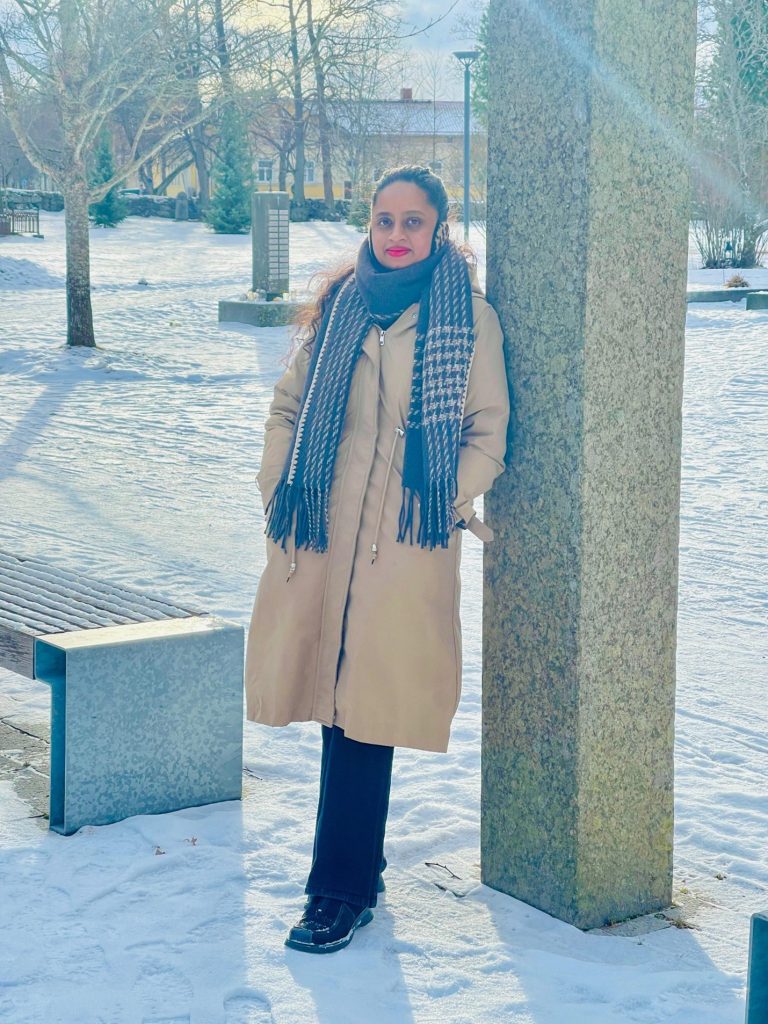
Finally, what I learned from visiting the Pori Old Cemetery is that there is historical value in the heritage that exists in quiet spaces. As I walked amongst the rows of crosses, memorials and large open area, I was impressed by how well Finland’s past has been kept. It is a historical place that shows the customs, beliefs, and stories of the citizens of Pori from many years ago. This was a peaceful, reflective and educational experience for me and demonstrated to me that a cemetery can represent a great deal of a city’s identity and historically.
Text and pictures: Anupama Sayakkarage, International Tourism Management student