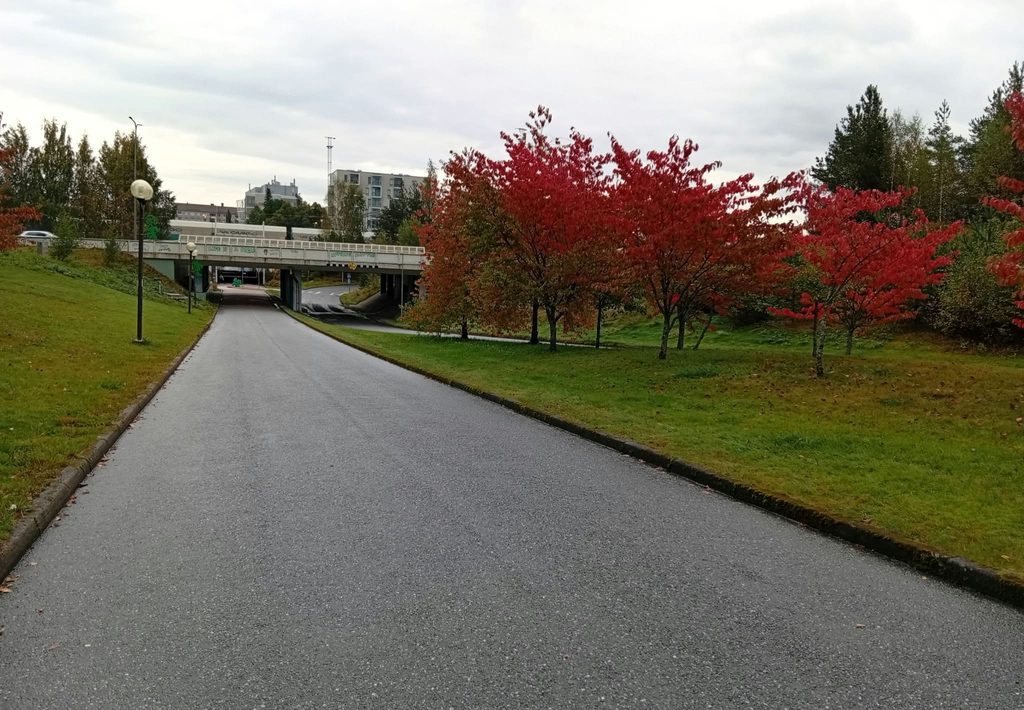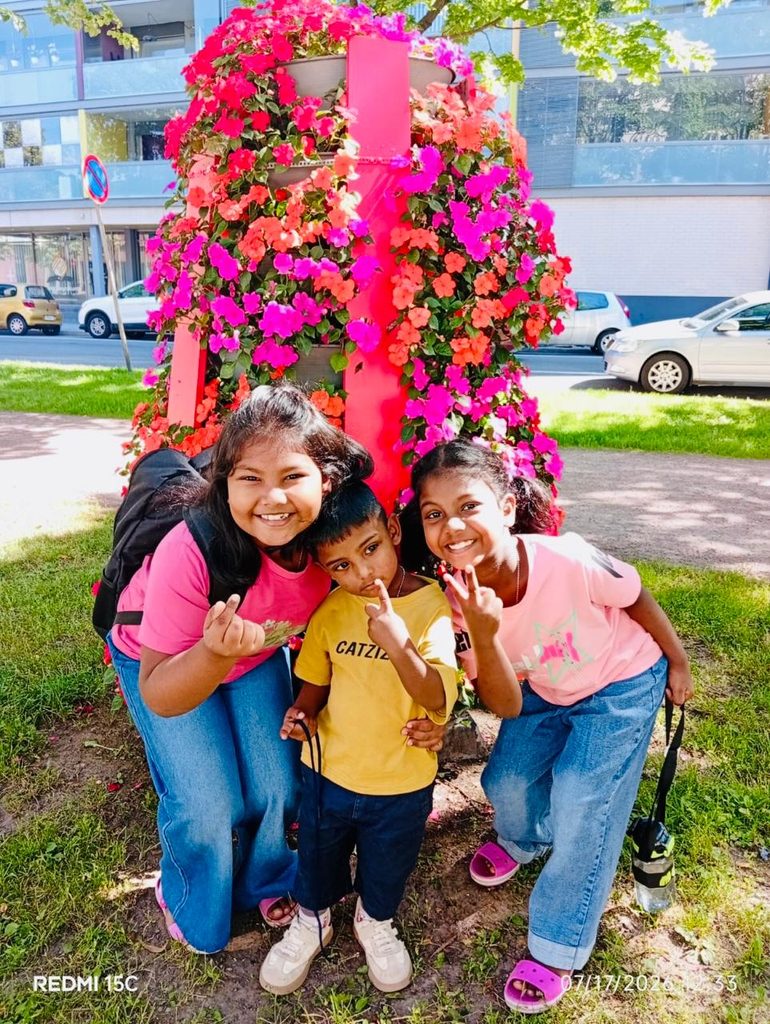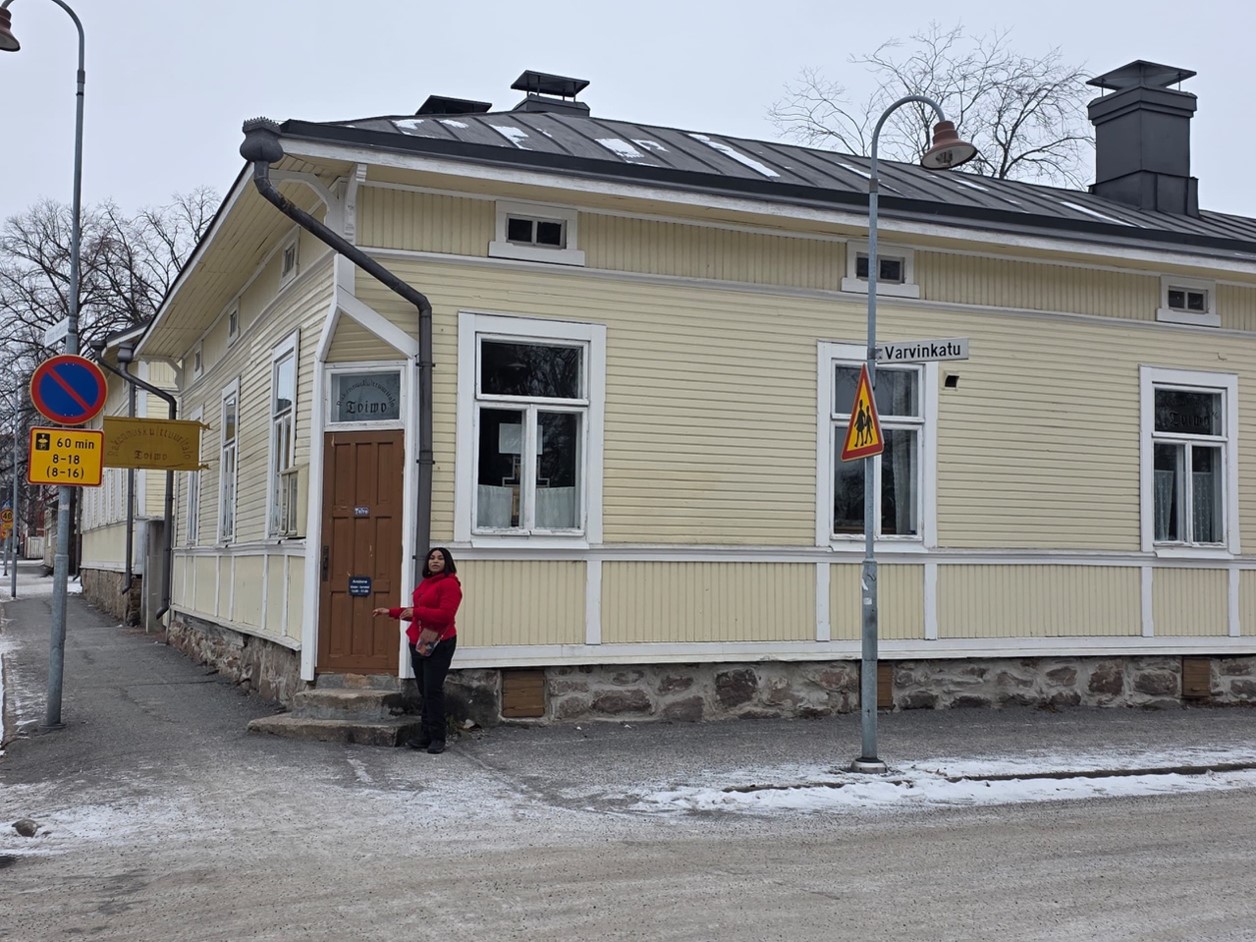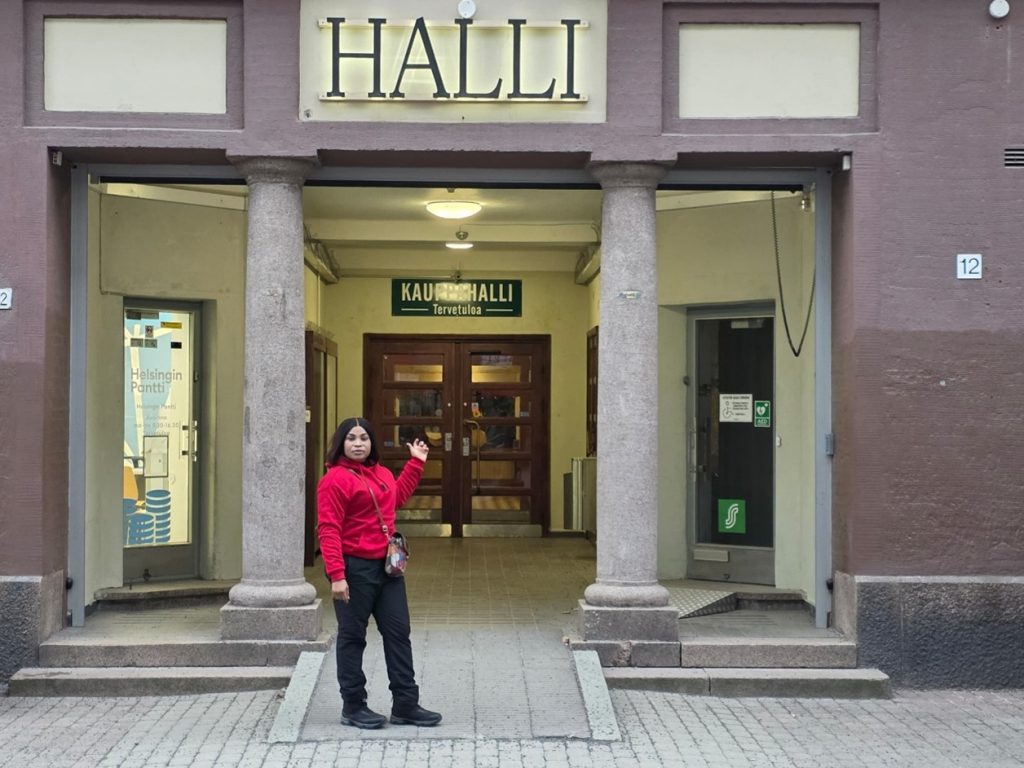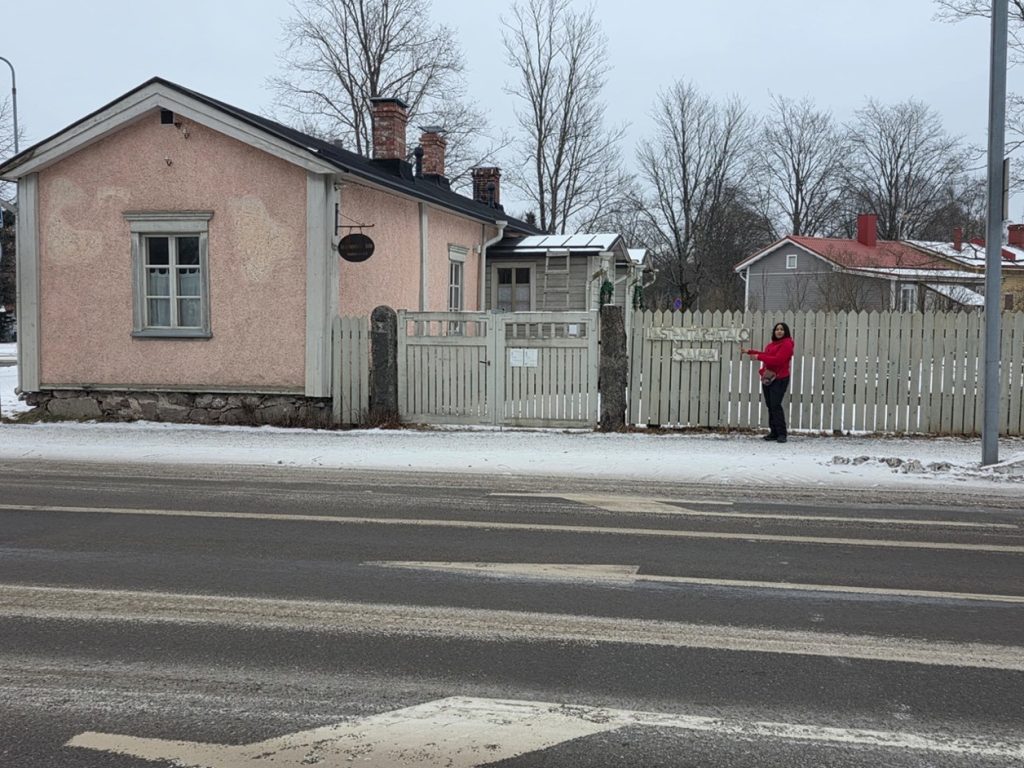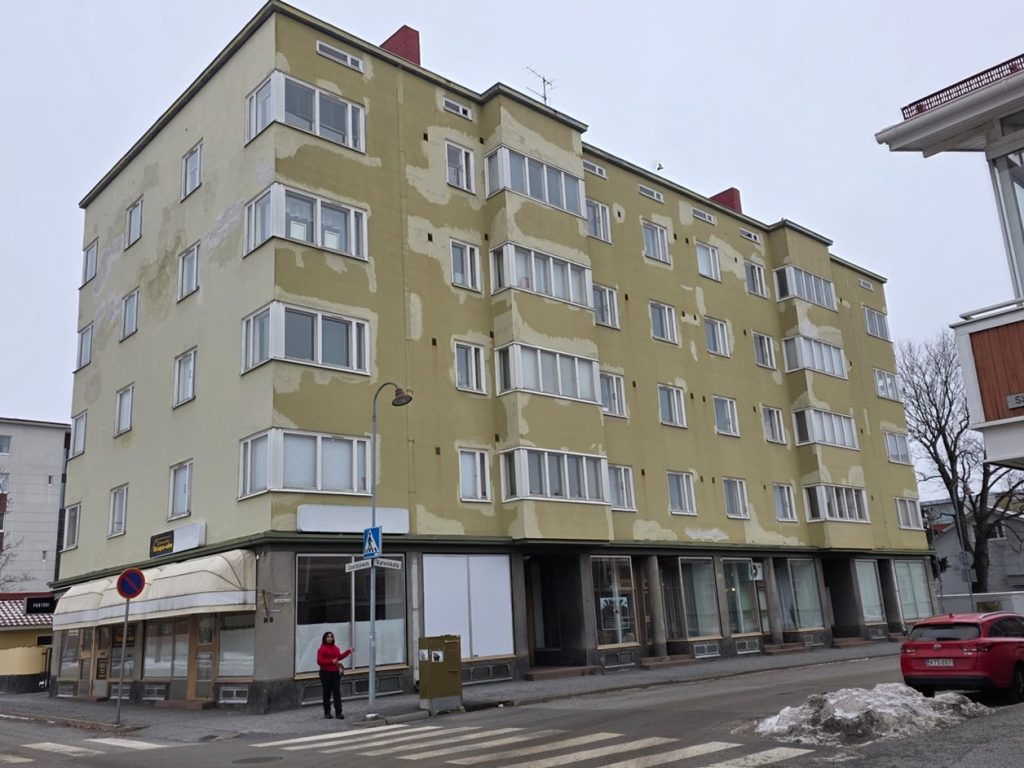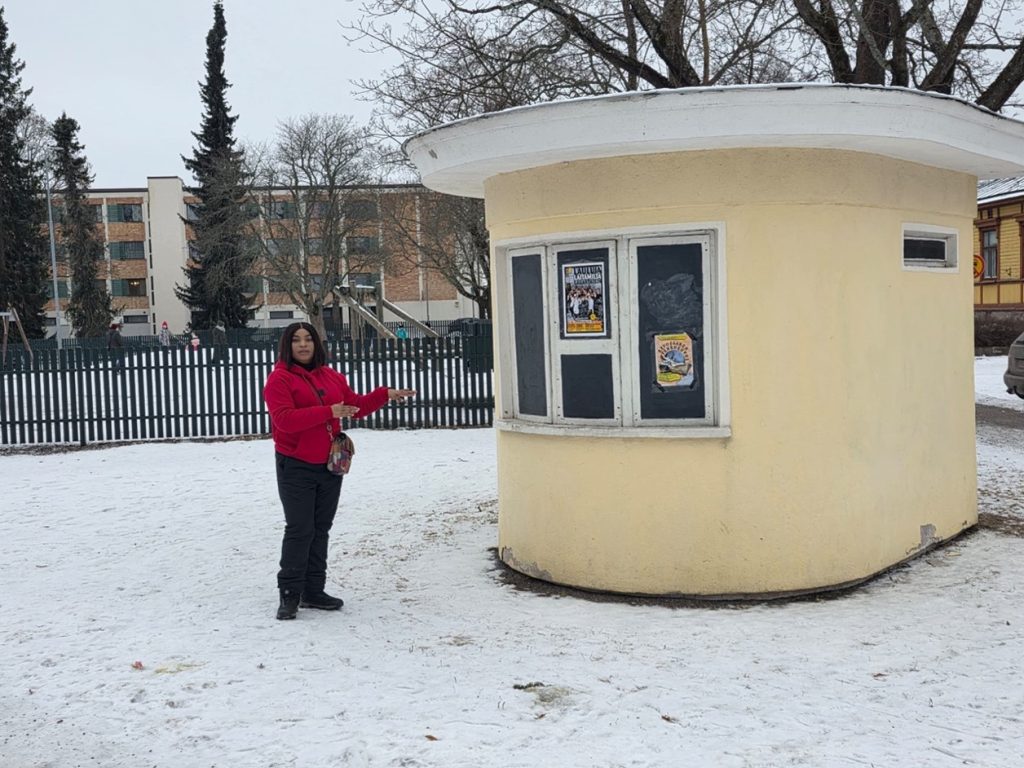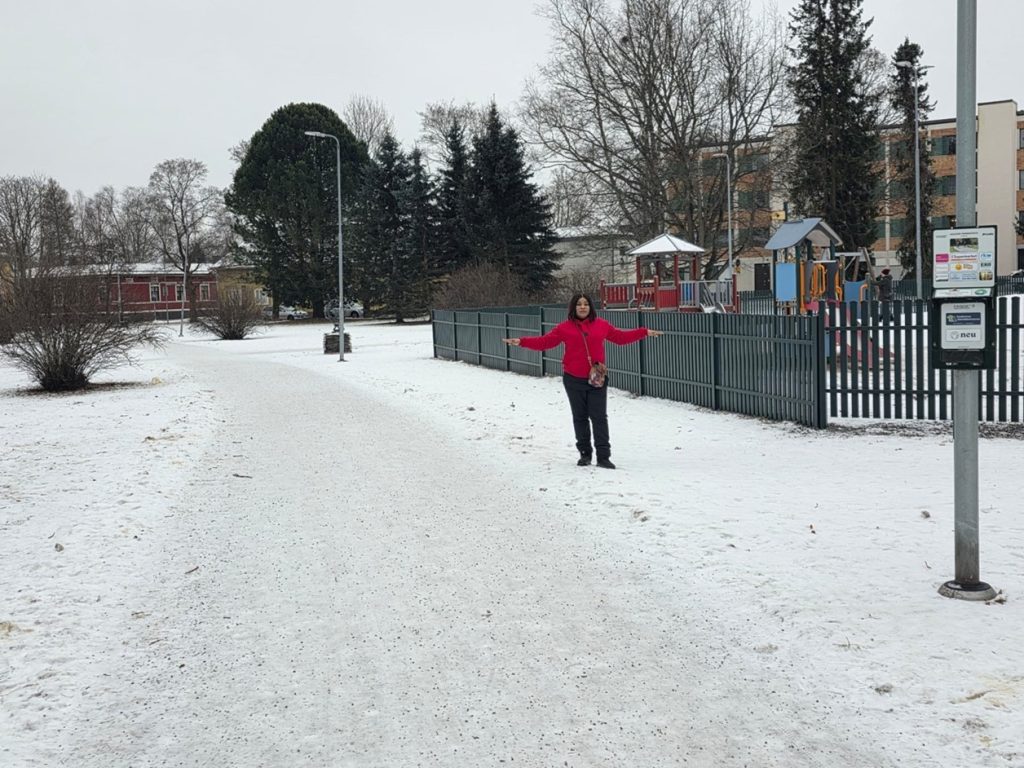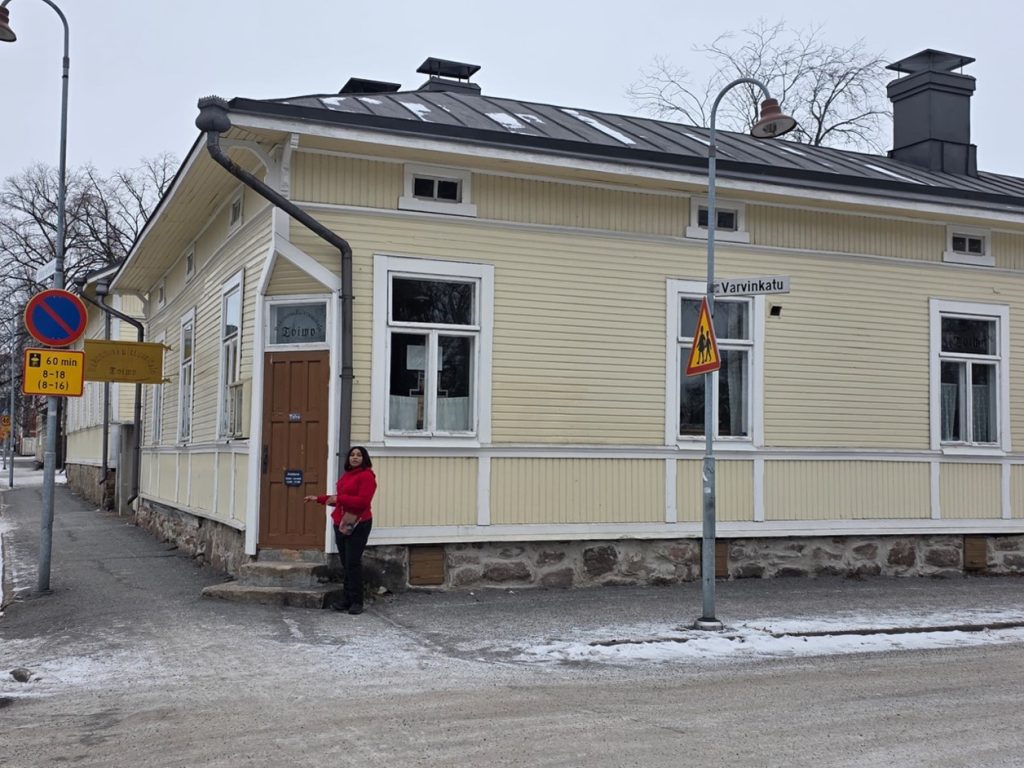

Cold weather, quiet streets, and finding my place in Finland

Prior to moving from Nigeria to Finland, I thought I had an idea of what to expect. I imagined the cold weather, quiet people, good education, and a peaceful lifestyle. While some of those expectations turned out to be true, the reality at times can be challenging and most times beautiful.

Expectations, culture shock and personal growth

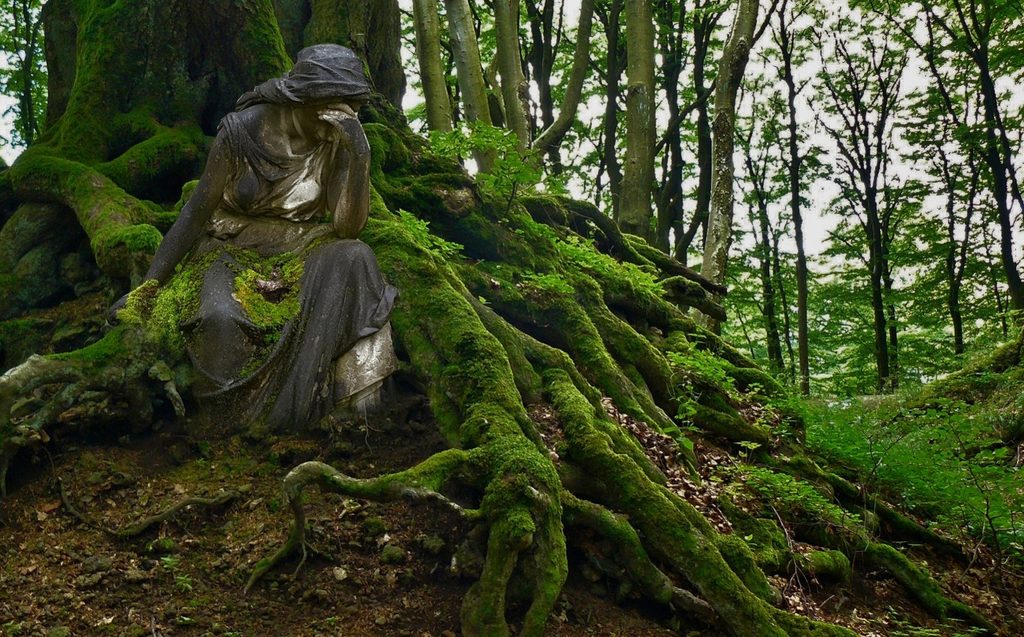
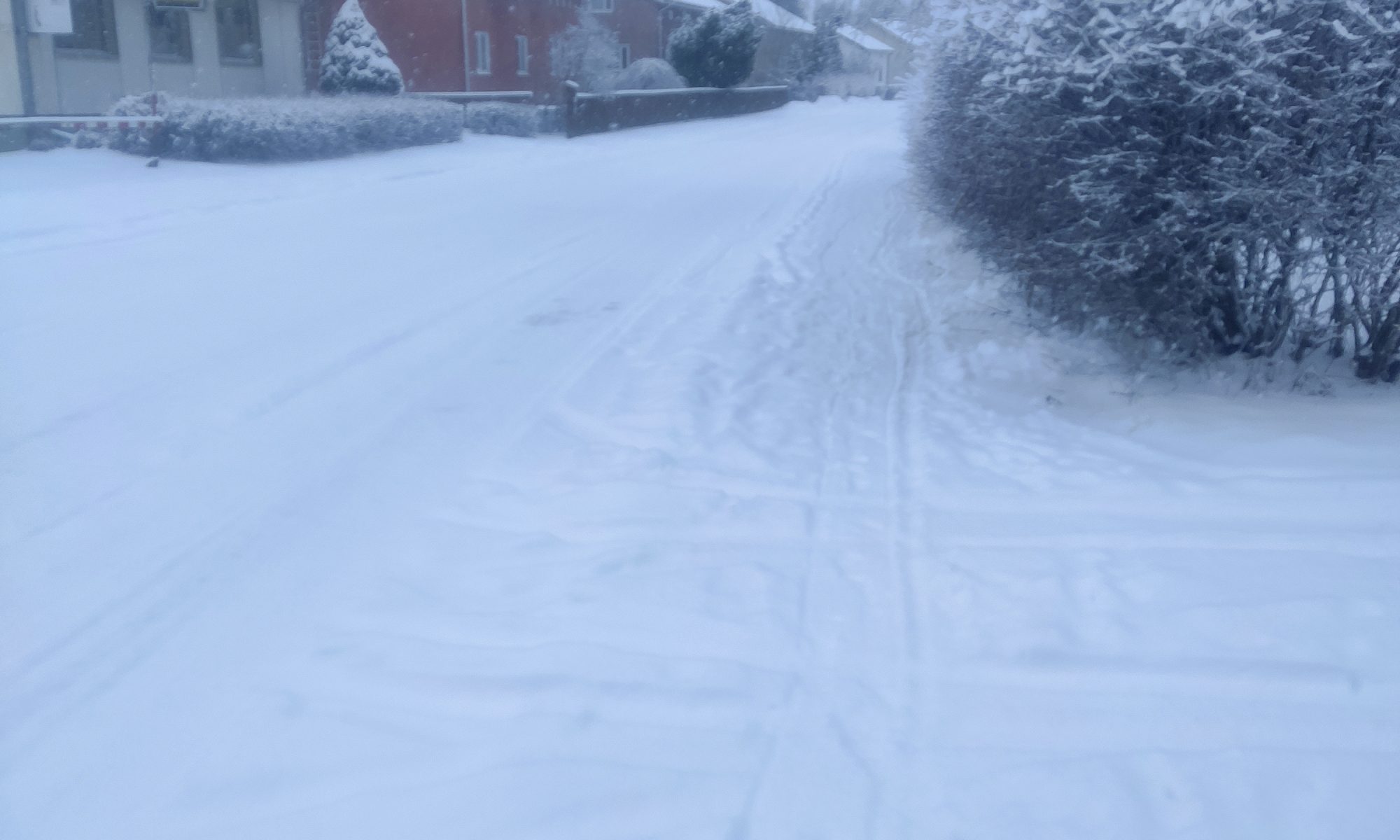
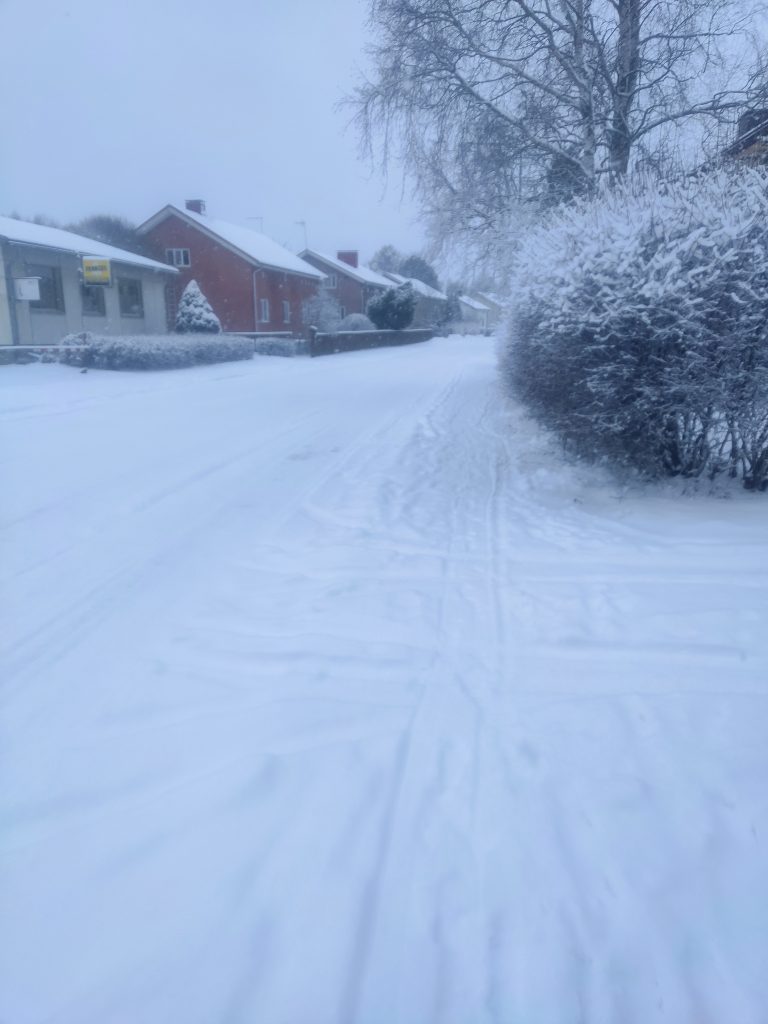
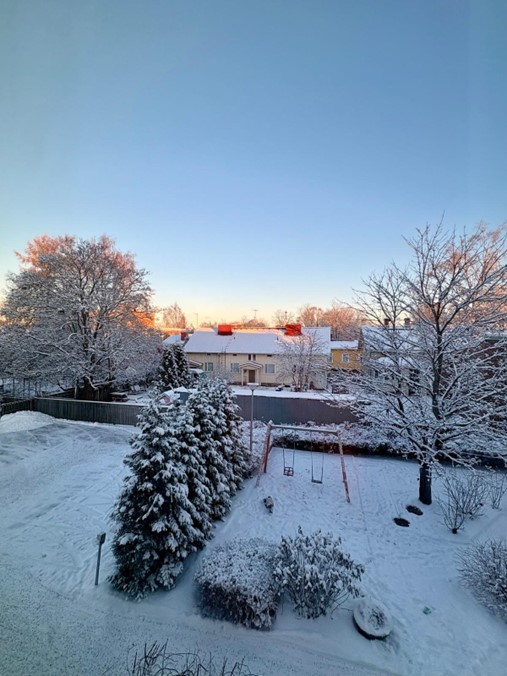
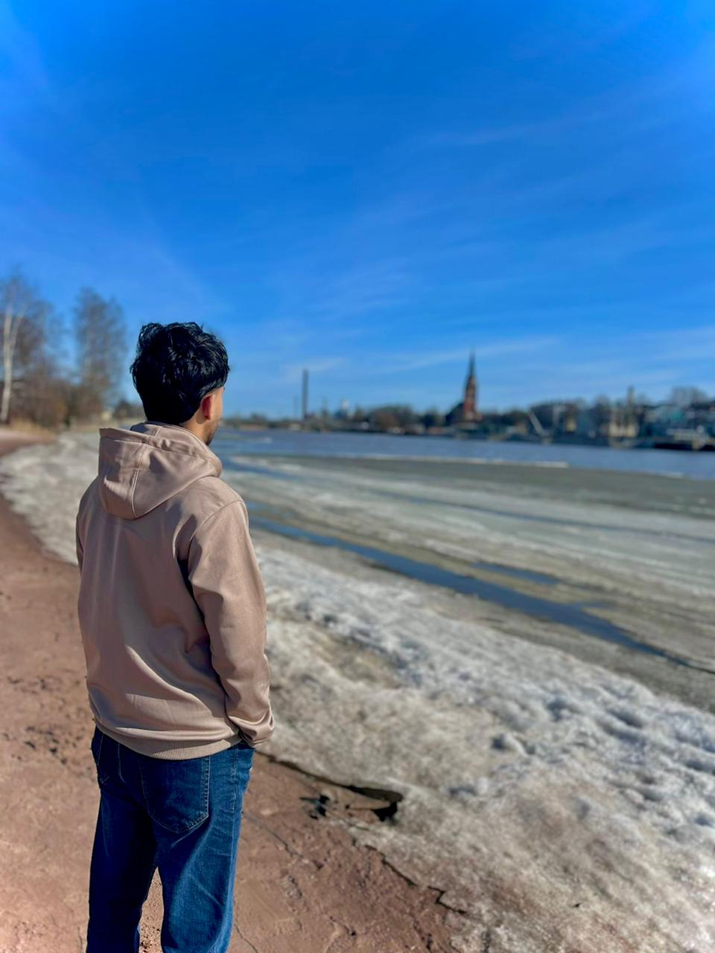
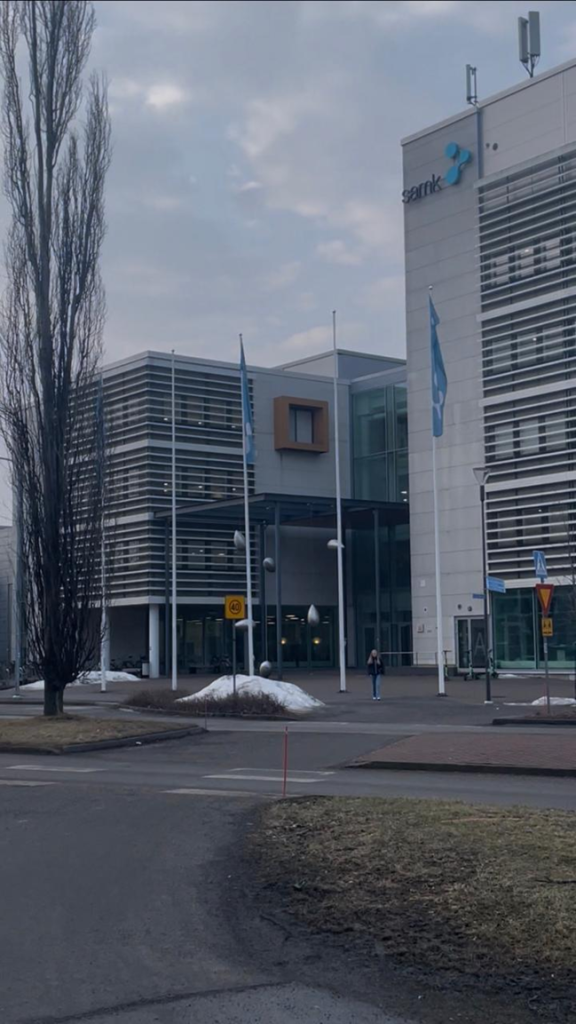
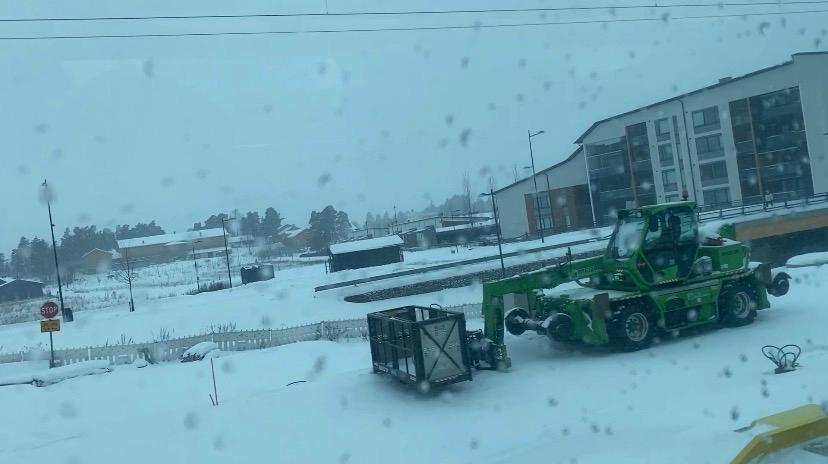
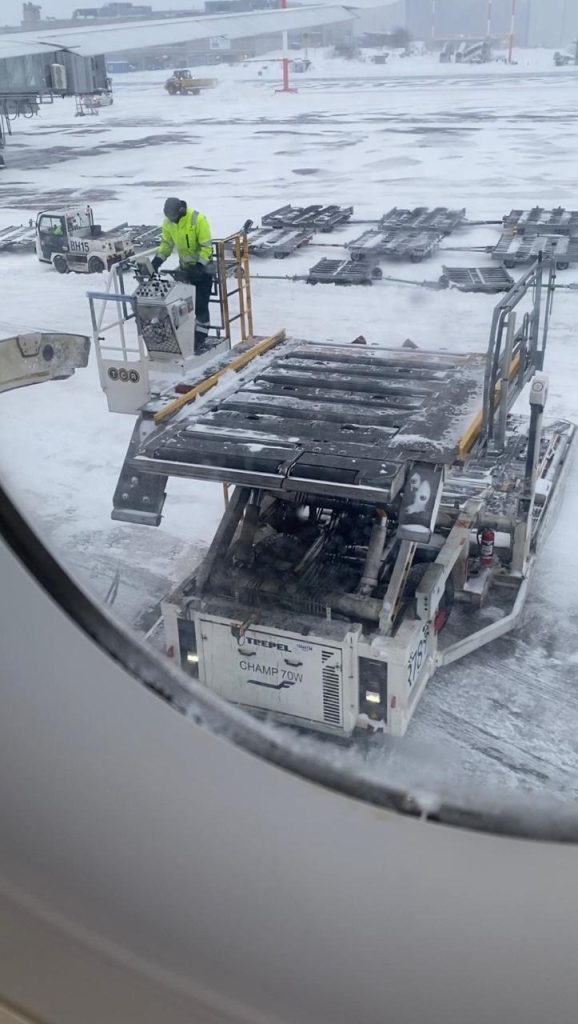
One of the first things that truly surprised me was the cold. Back home, the weather is warm and sunny. So, when the winter came in Finland I remember thinking, How do people survive this kind of cold? The freezing temperature, snow, and long dark days were a bit hard to adjust to at first. 

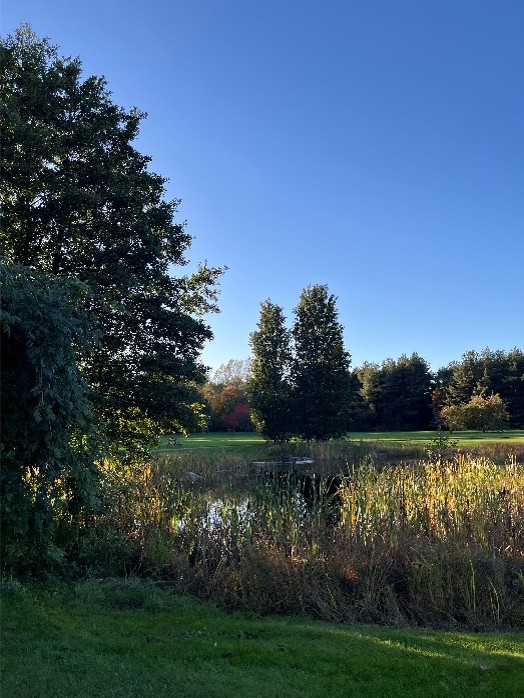
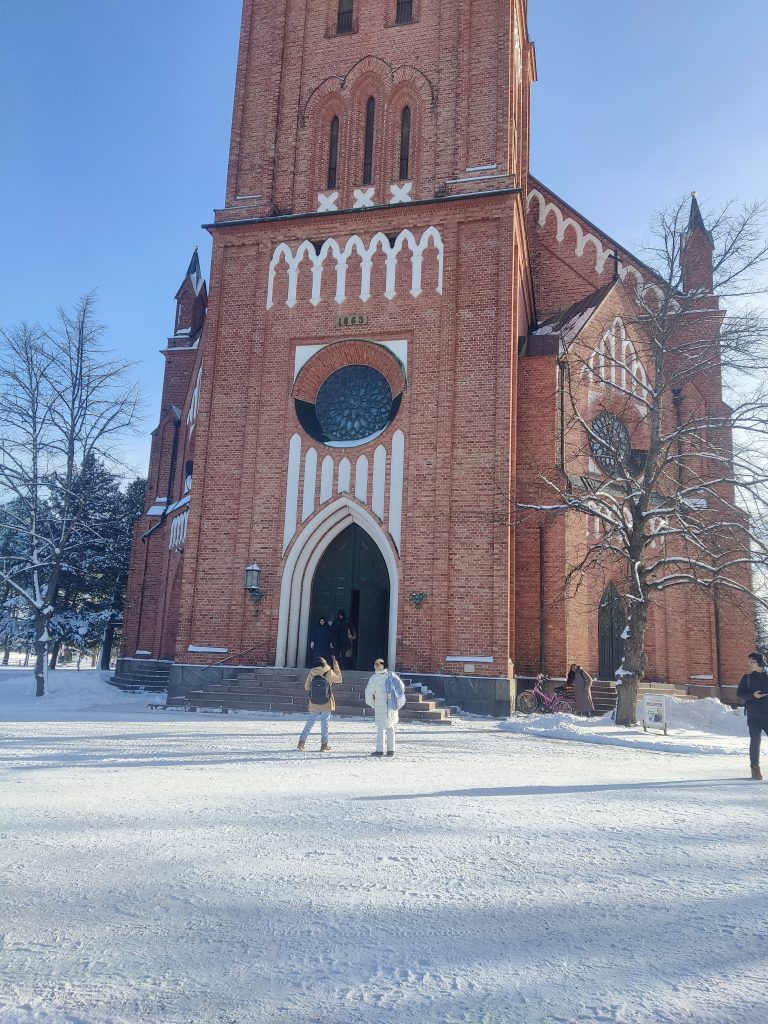
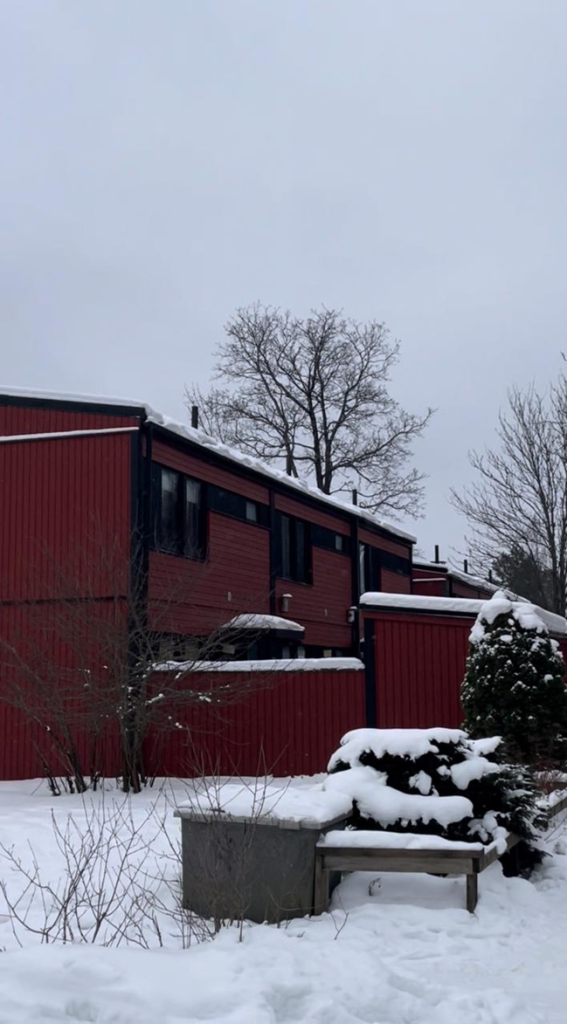
Some days, the cold feels so overwhelming, physically and emotionally. At the same time, I can’t deny that the winter here is beautiful and magical. There’s something peaceful about the snowy landscapes, even when I find myself missing the warmth of home.

Quiet people and new social rules

In my country people are lively, expressive, and sociable. Conversations start easily, laughter comes naturally, and friendships often form quickly. Strong family values, kindness, and openness are part of everyday life. In Finland, things feel much quieter.

At first, I thought, why is everyone so silent? Are they angry? I thought they were the happiest people in the world! Over time, I realized that Finns are not rude, they are just reserved people and private. Personal space is respected, and friendships are built slowly but deeply. Punctuality and honesty are very important. I have learned to appreciate meaningful long-term connections.

Food

Food has been another big adjustment for me. Back home our food is spicy, full of bold flavors, rich and colorful. Finnish food often feels milder, and sometimes I wonder, “This food is good, but where is the spice?”

It’s also difficult finding ingredients, especially palm oil, local spices, and traditional seasonings. Some ingredients are hard to find or more expensive, which makes it difficult to prepare the meals that remind me of my home. It can feel like losing a piece of my culture in the kitchen. And sometimes I mix Finnish and Nigerian flavors together!

Fashion and self-expression

Back home, we love bright colors, bold fashion, and accessories are part of our identity. Dressing well is a form of self-expression and effort is expected for every occasion.

In Finland, fashion tends to be simpler and more natural. At first, I felt like my colorful styles stood out too much. I have learned to balance both.

Respect, culture and education

Cultural differences also appear in how respect is expressed. In Finland, calling teachers or elders by their first name is normal, and independence, even among elderly people it is highly valued. In my country, respect often looks more formal, and helping elders like carrying bags feels more expected.

The education system surprised me a lot. In my country, teachers are more hands-on, and students depend heavily on them. Learning follows a strict curriculum, and critical thinking outside it is limited. The teachers expect you to deliver the same material and note the way it was delivered.

In Finland, teachers act more like a guide, and students are encouraged to ask questions, think critically, learn independently and ask for help when necessary. At first, this felt unfamiliar and challenging. Now I appreciate how it builds confidence and independence. These differences made me more aware that respect can look different in different cultures.

Emotions, growth and gratitude

To be honest, moving here hasn’t always been easy. There were days I felt homesick, lonely, overwhelmed, and unsure at times.

But I have also felt proud, strong, independent, and grateful. Living in Finland has taught me patience, independence, cultural understanding, strength, and appreciation for both where I come from and where I am now.

Final thoughts and a new chapter

Finland did not just meet my expectations; it challenged and reshaped them.

Nigeria will always be my home, full of color, energy, warmth, spice, and life. Finland has become a place of calm, learning, growth, safety, and reflection.

I’m still learning, adapting, and building a new chapter of my life. One shaped by both cultures.

Text and pictures: Veronica Joseph, International Tourism Management student from Nigeria

Walking on the Park Art Route in Pori

A few days ago, I explored Pori city in a new way by following the Parks Art Route, a 2,6 km trail through the city’s park, sculptures, murals and art installations. This walk showed me so many new things that I had never noticed before. From the hidden tunnel to sculptures by the river, each stop has its own story. Walking this route made me excited of how nature and creativity coexist. Here is my journey through all 13 stops.

1. Porisontti – A tunnel transformed

I started my journey at the railway station underpass, where Porisontti (2021) really surprised me. It is not just a tunnel, it is full of colorful lights and a soundscape by Tapani Rinne that changes with the seasons. When walking through this tunnel, I felt calm and safe. It made me see how something as ordinary as a tunnel can feel so magical.

2. Big Rain – Dancing Raindrops

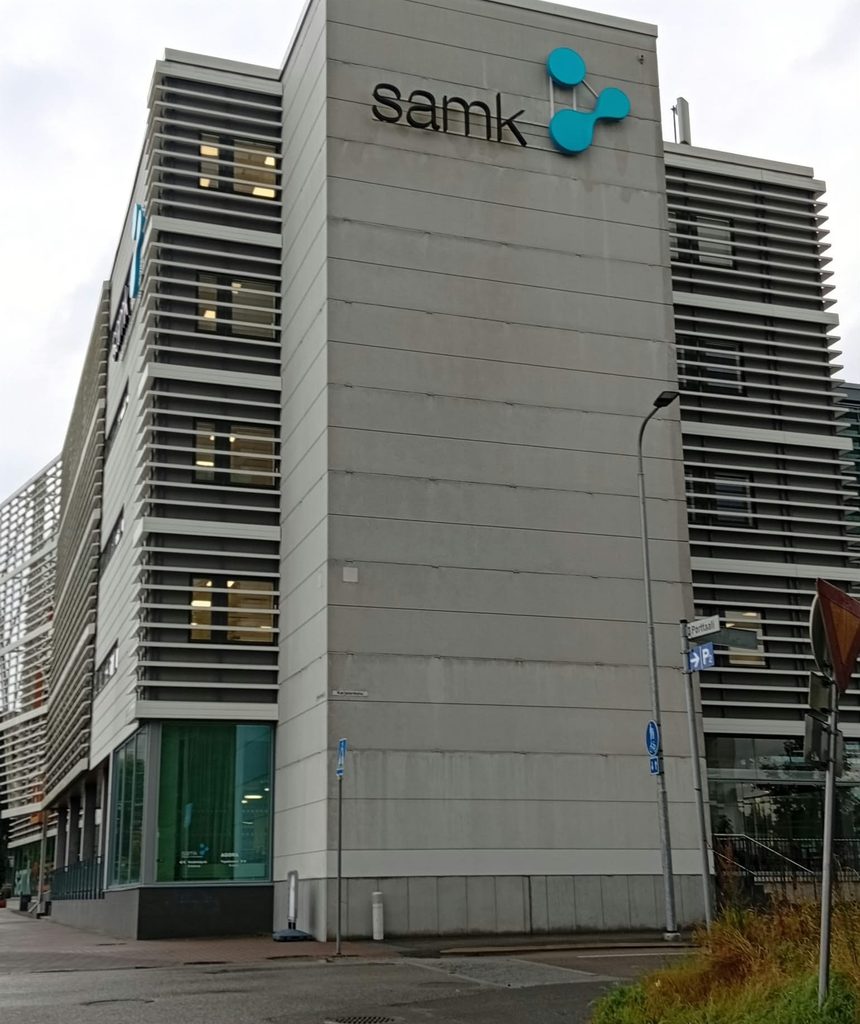
My next stop was the big rain. I found Big Raindrops in front of my campus at Satakunta University of Applied Sciences. Every day I saw these raindrops, but I didn’t know the meaning or value of this.

After this cultural route journey, I learned new things about this Big Raindrops. It was done in 2007 by Tapio Haapala. Six aluminum droplets hanging at different heights might look simple, they swing, rotate, and spin in a fascinating dance. It looks like frozen rain drops in mid fall. It is simple but really brings the street to life.

3. Murals at Antinkatu

Walking to Antinkatu, I saw beautiful murals that immediately caught my eye. When I go through about the murals, I noticed that Pori was one of the first cities in Finland to get street art. The first, POAR (2015) by Jussi TwoSeven, is on the brick wall of Valimo hall. It shows a powerful bear which represents Finnish folklore with drips and splashes that make it feel alive. When we look closely, we can really notice the patience and skill involved. And his signature is tucked right in the middle, like a little secret for anyone watching closely.

Next to it, Music of the Sea (2016) by the MCD collective celebrates Pori’s maritime culture and music. There are bright colors, flowing shapes, and nautical motifs that made me imagine the harbor. I realized how street art can turn into a mini gallery with colorful, playful, and full of stories.

4. Äestäjä – Honoring Ordinary People

In Cygnaeuksenpuisto, I came across Äestäjä (2019) by Emil Cedercreutz. It shows a farmer working the field with his horse. It is special for celebrating ordinary people instead of politicians. This sculpture itself is impressive, and it was the largest one in Finland at the time, weighing over a ton. We can see they respect animals. It showed us that heroism is in everyday life, and that ordinary life can be beautiful when seen through the eyes of an artist.

5. Brick Sculpture (Pori Gate)

In Eteläpuisto, I found the Brick Sculpture, or Pori Gate, by Danish artist Per Kirkeby (1993). We can walk through it and sit on it, and also it feels like part of the park. Kirkeby worked in many art forms, but his brick sculptures are special because they mix architecture and sculpture. This rises about four meters high, and it works as a gateway. Walking under the arches felt like stepping through a secret doorway hidden adventure in the middle of the park.

6. Risto Ryti

Walking through Pohjoispuisto, I noticed a quiet bronze sculpture of Risto Ryti, Finland’s fifth President. It is made by Sofia Saari in 2009, and it shows him as a strong, young man, the hardship of war shaped him, and it felt alive. It was made of bronze and granite. It was one of the stops that made me pause and reflect on a simple sculpture, but full of presence and character.

7. Akseli Gallen-Kallela

I came across the statue of Akseli Gallen-Kallela, one of Finland’s most famous painters and a Pori native. It was made by Heikki Nieminen in 1965 for Gallen-Kallela’s 100th birthday, it shows him with a palette and brush recognized as an artist at work.

This statue was built during a Finnish public art was debating. Standing there, I felt connected to Gallen-Kallela and Pori, and proud to celebrate its creative heritage. It is a sculpture that can be felt as both history and artistry at the same time.

8. Selim Palmgren – Pori’s Musical Genius

My next stop was the bronze sculpture of Selim Palmgren (1955) made by Lauri Leppänen. We could see him at the piano, in his music at home. He was born in Pori, and is one of Finland’s most famous composers and pianists in the early 20th century. Placing it in the park near his childhood home, a place to reflect on his life and work.

The sculpture is realistic, in its expression, showing his character and dedication. I felt respect for both the man who brought music to the world and the city that proudly honors its local talent.

9. Mr. Nortamo – Sitting and Thinking

At Teatterikatu 5, I found the bronze statue of Hj. Nortamo (1938) by Yrjö Liipola. It is a formal statue, Mortamo sits casually, learning forward with one arm on his knee, lost in thought. Nortamo, also known as Frans Hjalmar Nordling, was a writer, physician, and active community member. It makes a place like the statue near City Hall Park, and it’s a peaceful place where he might have found inspiration. It reminded me that ordinary spaces and people can hold extraordinary stories.

10. Satakunta Bear

In the northern part of Raatihuoneenpuisto, I saw the Satakunta Bear made by Emil Cedercreutz (1938). This was my 10th stop and it looks quietly powerful and calm but strong, like a guardian of the city. He loved animal motifs, especially horses, but the bear is a perfect symbol for Pori and the Satakunta region. This version was created in 1938. It felt a mixed feeling of fear and comfort. Public art can give character and identity to a place, not just fill a park or wall.

11. The Gull

By the river near the Art Museum, I came across Seagull made by Harry Kivijärvi in 1987. It was built of gray granite, and the smooth abstract curves seemed to echo the flow of the river, and it felt calm. This was located on the riverbank and near museum, it blended into the landscape while remaining quietly striking.

I listen to the sound of the water and experiencing the simplicity of the sculpture. It is one of those pieces that makes slow down and feel the harmony between art and nature.

12. Bass String Wings

At the end of Kapellimestarinkatu in Kirjurinluoto, I discovered Bass String Wings in 2022 by Pekka and Teija Isorättyä, and it was my 12th stop in my journey. This sculpture is a tribute to Jyrki Kanka, the founder of the Pori Jazz Festival. It is steel structures that stretch 12 meters, and we can climb the platform and play the metal strings.

I listened to their sound, and I noticed that each sounded different, filling the air with jazzy energy. It’s not just for watching, it invites us to participate, create music, and enjoy the movement of art. Honestly this was my favorite stop on the route, a perfect mix of sound, motion, and fun.

13. Magnetism

My walk ended at Kirjurinluoto, in front of Vetovoima in 1999 by the artist group YNNÄ+. A glowing ball made of 250 lamps surrounded by seven rocks and looks like a meteor rock. The sculpture was originally meant to be temporary, but locals loved it so much it became permanent. I like how it blends natural materials with light, making it feel part of the landscape.

Ending the journey from here I felt perfect, peaceful, inspiring, and full of wonder. After visiting all the sculptures, from historical figures to interactive art, Vetovoima reminded me that art can transform ordinary spaces into something magical.

Walking along the Parks Art Route, I realized that Pori is more than just streets and building. Art is everywhere like in the subways, in the parks, on the walls and alongside the river. Each stop tells its own story, history, folklore, music, and moments. My favorite stop was the Bass String Wings because it is being able to touch it, climb on it, and can create music that really brought the experience to life. This route is perfect for anyone who wants to slow down, see something new, and enjoy art, nature and its background stories.

Pictures and text: Lakmali Weerasinghe Arachchillage, International Tourism Management student

Cold Weather, Warm Hearts: My Finnish Surprise

Before I came to Finland, people told me that Finns are very quiet and ”cold.” They said that people here don’t like to talk to strangers. I expected a very cold country with cold people.

On one of my first days, I was standing at a bus stop with my family, feeling very nervous. There we were: my 10-year-old, my 1-year-old in the stroller, and we were very confused. We wanted to go to Prisma, but we didn’t know which bus to take or how to pay. The wind was very cold, and I felt lost.

​Then, the ”Finnish Myth” broke.

​A lady with her small child walked past us. I decided to ask for help. She didn’t just give a quick answer. She was very patient. She showed us a bus app on her phone.

The transport app that helped us

​She stayed with us for a few minutes. She showed me how to download the app and how to see the bus time. This ”Digital Help” was amazing. She gave us the tools to move around the city by ourselves. Her kindness was the best welcome to Finland. I learned that Finns might be quiet, but they are very helpful and tech-savvy.

View of Finnish nature from the bus window

​When we sat on the warm bus and looked at the beautiful nature outside, I smiled. Finland is cold outside, but the people have very warm hearts!

Text and pictures: Naghmeh Khadem, student of International Tourism Management

Kaupunkiluonnon äärellä

Kävelin eräänä syysiltana Porin keskustan kulttuurireitin. Ilma oli pitkästä aikaan puolipilvinen ja aurinkokin näyttäytyi taivaalla, joten päätin lähteä luonnonläheisyyteen kaupunkiluonnon äärellä reitille. Maasto oli edelleen hieman märkää edellisen päivän sateiden takia, mutta en antanut tämän häiritä matkaani. Kyseinen reitti alkaa pohjoispuistosta, ja kulkee puistoja ja Kokemäenjoen rantaa pitkin kirjurinluodon luontopoluille.

Alkumatkalla oli paljon ihmisiä liikkeellä. Kello olikin sen verran, että ihmiset alkoivat pääsemään töistä ja kaupungin äänet olivat vahvasti läsnä. Niinpä laitoin kuulokkeet korville ja aloin kuuntelemaan musiikkia hälinän keskellä.

Heti sillan ylittäessäni ja päästessäni Kirjurinluotoon tunnelma muuttui täysin ja kaupungin äänet katosivat. Samoihin aikoihin kuulokkeistanikin loppui akku, jolloin otin napit pois korvista ja aloin kuuntelemaan luonnon ääniä.

Polsanluodon pitkospuita pitkin kävellessäni hämmennyin, kun suosituista lenkkipoluista huolimatta en havainnut ympärilläni yhtään ketään. Reitti tulvii usein syksyisin ja keväisin, joten oletin syyn johtuvan siitä. Päätin kuitenkin jatkaa matkaani ajatellessani, että pitkävartisten kenkieni kanssa pystyn väistämään tulvivat kohdat.

Vasta reitin päässä huomasin, että joen ylitse liikkuva lossi oli otettu pois käytöstä talvea varten ja sainkin vastauksen siihen, miksi olin yksin kyseisellä reitillä. Tästä jatkoin matkaani takaisin päin noin kilometrin verran varoen askeliani todella liukkailla pitkospuilla.

Ilta alkoi pikkuhiljaa hämärtymään samalla kun puiston ja kaupungin valot alkoivat syttymään. Hanhiluodon kasvien esittelypuiston kohdalla valot alkoivat luomaan astetta syksyisempää tunnelmaa ja jäinkin hetkeksi tutkimaan, että mitä kaikkia kasveja esittelypuistosta löytyy.

Kävelin takaisin pitkälti samaa reittiä, mutta maisema ja tunnelma oli muuttunut. Taivas oli tummunut ja joen pinta heijasti kaupungin valoja peilin tavalla. Autoliikenne oli vähentynyt ja ympärillä alkoi olemaan enemmän lenkkeilijöitä, pyöräilijöitä ja koiran ulkoiluttajia.

Kävelyllä huomasin toistamiseen sen, kuinka lähellä luonto on Porin keskustaa. Lyhyen kävelyn jälkeen pääsee luonnon keskelle, jossa kaupungin valot ja äänet katoavat ja jäljelle jää vain tuuli, vesi ja omien askelien äänet.

Muistellessani kesäisiä kokemuksia samalta reitiltä, havahduin kuinka kaupunki ja luonto oli hiljentynyt täysin. Kesällä reitti oli täynnä vilinää ja vehreyttä, mutta nyt tuntui, että luonto on siirtynyt tietynlaiseen lepotilaan ja kerää taas voimia seuraavaa kesää varten.

Teksti ja kuvat: Matkailuliiketoiminnan opiskelija Cristian Råmark

My Social Media Journey at SAMK

When I walked into the first workshop of the Social Media Content Creation course, I honestly didn’t expect much. Social media was never “my thing”. I used it casually, not intentionally or strategically, nor creatively. Following six workshops, I’m walking away with a completely different mindset and a whole new set of skills I didn’t know that I needed.

These weeks were a mix of theory, testing, filming, posting, editing, and working both individually and in groups. Each session pushed me a little further out of my comfort zone, and somewhere along the way, I started to enjoy the process.


Trying Things for the First Time

I filmed content for the first time with intention — not just random clips, but shots with purpose. I learned how to think like a viewer, not just a creator. I experimented with angles, lighting, and storytelling, and discovered how much thought goes into even the simplest 10‑second video.

One of the biggest breakthroughs for me was photography. I learned how to take high-quality pictures, the art of composing, and arranging visual elements in a way that creates balance and interest. How editing apps can transform a simple moment into a story. Until this course, I never realized how much creativity and effort hides behind a single frame.


Growing Through Collaboration

Working with classmates from different nationalities was really interesting and was one of the highlights. Each one brought their own cultural lens, style, skill, and their own way of using social media. Seeing how people from different countries create content and reels opened my mind and expanded my creativity. It reminded me that social media is global, and so are the stories we tell.


I enjoyed the creative brainstorming the most, those moments when ideas bounced around the room, and something would click. What challenged me? Editing and taking pictures. It was frustrating and time consuming. I was running out of patience. Once I understood the tools, it became strangely satisfying, like solving a puzzle, focusing on every cut and transition, and paying attention to the music and filters.

Before this course, I saw social media as a distraction. Now, I see it as a powerful communication tool, one that can educate, inspire, connect, and even build promising careers. My creativity has grown, my confidence has grown, and my understanding of digital storytelling has deepened.

Looking Ahead

I can foresee myself using these skills in future projects, events, and community work. Whether it’s creating content, supporting digital communication, or helping others navigate online platforms, I feel more confident and prepared than ever before.


Text and pictures: Ishani Somawardana, student of International Tourism Management

Levin tuntureilla

Lähdimme ajamaan kohti Levin tunturia sateisessa säässä. Ulkona oli alkanut jo hieman hämärtyä. Mitä korkeammalle ajettiin sitä enemmän oli sumua ja korvat meni lukkoon, kun jyrkkää rinnettä ajettiin ylös. Lopulta oltiinkin kokonaan sumu pilvessä. Lopulta pääsimme huipulle ja astuin autosta ulos. Maasto näytti erittäin karulta ja huipulla oli niin paljon sumua, että ei oikein näkynyt mitään. Oli kova tuuli ja hieman kylmä. Satoi vettä.

Levi sijaitsee Tunturi-Lapissa noin 170 kilometriä Napapiirin pohjoispuolella (Rantapallo, 2023). Se on lähiseudun korkein tunturi, jonka huippu kohoaa noin 530 metriin meren pinnasta. Alueen muut tunturit ovat hieman matalampia. Selänteiden lakialueet ja rinteet ovat kivikkoisia, kuivia ja tuulisia, joten niiden kasvillisuus uudistuu hitaasti.

Levin kallioperä kuuluu noin 2,2 miljardia vuotta vanhaan sedimenttikivien Kumputunturi-ryhmään. Huipulla esiintyy laajoja rakkakivikkomaita ja rinteillä on ohut moreenipeite. Levi sijaitsee pohjoisboreaalisella vyöhykkeellä, joka tarkoittaa sitä että vuoden keskilämpotila on nollan alapuolella. Kasvukausi on vain 120-125 päivää ja lumipeite kestää noin lokakuun lopusta toukokuun puoliväliin. Tuuli on merkittävä ilmastotekijä esimerkiksi ylärinteillä tuulen nopeus on 7,5-9,5 m/s ja tuntureilla voi olla josku yli 30 m/s.

Sirkan laakson asutus ulottuu noin 3500 vuoden taakse. Alue oli muinaisten saamelaisten pyhä paikka ja metsäsaamelaiskulttuurille tyypillisiä piirteitä, kuten poroaitauksia ja saalispatsaita, on edelleen nähtävissä. Suomalaiset asettuivat alueelle 1600-luvulla. Kylien rakennuskanta koostuu pääosin 1850-1930-luvuilla rakennetusta perinteisestä järvi- ja joenrantakylätyylistä.

Levin matkailun historia on alkanut 1930-luvulta, jolloin hiihtäjiä majoitettiin kodeissa. Rinteiden toiminta alkoi 1950-1960 luvuilla ja 1980-luvulla rakennettu kylpylähotelli nopeutti kehitystä. Levi on nykyään yksi Suomen suosituimmista talvikohteista, tunnettu hiihtokeskuksistaan ja monipuolisista talviaktiviteeteista (Kittilän kunta, 2008).

Levin huipulla ymmärtää, miksin Lapin maisemia pidetään erityisinä. Ne eivät ole pelkästään kauniita, vaan ne herättävät myös kunnioitusta. Tunturit muistuttavat luonnon rauhasta ja hiljaisuudesta, jota muualla ei koe. Vaikka tällä kertaa en nähnyt kauas, tunsin olevani jossain kauempana isoista kaupungeista – Lapin sydämessä.

Teksti ja kuvat: Siiri Saarinen, kolmannen vuoden matkailuliiketoiminnan opiskelija


Lähteet

Kittilän kunta. (2008). Ylälevin asemakaava-alueen maisemaselvitys. https://kittila.fi/sites/default/files/2021-09/Ylä-Levi%20%28osa%202%29%20maisemaselvitys.pdf

Rantapallo. (2023). Matkaopas: Levi. https://www.rantapallo.fi/suomi/levi

My Last Episode of Being a Typical Traveler

Hi everyone! My name is Nithipha, aka Nikki. I am originally from Thailand and now living in Pori. I am a SAMK first-year student of the international tourism management program. I made my decision to come to Finland for two main reasons: to return to my academic journey in the tourism field and to explore the countries in northern Europe where I haven’t ever been.

I arrived in Pori almost at the end of last July, and unfortunately, I missed the Pori Jazz Festival this year. After spending my first couple of days in Pori, I noticed that even in the summer season, this city was still too quiet compared to where I was from. I suddenly realized I would need plans for my weekend getaways sooner or later, even though I haven’t known much about Pori.

I had about two weeks free before my school started. I was supposed to spend time getting to know and familiarize myself with Pori, but I told myself, “No! Not now. I’d better go somewhere else first” because I would be in Pori 24/7 during the school semester.

Then, I opened the Google map and searched for where I would escape to. And I picked Tallinn, Estonia, and also Helsinki on my way back to Pori.

When I booked the rooms and bought the transportation tickets for my trip, I learned that “the earlier I plan, the less I pay”.

It seemed to be an exciting trip. Somehow, it also frustrated me because I know nothing about Tallinn and Helsinki besides that they are the capital cities of Estonia and Finland. Oh, No! – I also know that Helsinki has an architecturally stunning library named Oodi where I shouldn’t miss!

I spent four days in Tallinn, visiting the Old Town almost every day. It wasn’t because I’m particularly attracted in historical or heritage landmarks that much, but because I love the old city’s atmosphere and also enjoy learning about the local lifestyle.

However, one of the things I enjoyed the most was about the hotel my stayed. The cleanliness of the room, the friendly staff, and the homey food made me feel warmly welcomed. – I think, sometimes when I travel alone, I need to have feelings like this!

Then I spent another three days in Helsinki. As I mentioned earlier, I intended to visit the Oodi library, but I also wanted to check out other landmarks as well. Speaking about Oodi, when I visited there for real, I admired how it shifts my attitude toward the typical concept of a city public library. Even I actually have visited several well-known libraries in many countries, but the Oodi is totally different, and it is the most modern and attractive one in my mind.

Not only did I go to the Oodi library, but I also visited Suomenlinna, where I really enjoyed spending time at. If I had spent more time there, I would have learned more about Finland’s historical maritime military story.

If you read my story until this line, you might think my trip was somewhat enjoyable. Umm, I might not be reluctant to nod my head to agree with you. However, at the time I wrote my blog, it was almost the end of my first semester of the program. I would say that I’ve acquired critical changes in several aspects of my mindset from course to course about sustainable tourism.

If I reflect my recent travel experience which I just wrote above, I totally agreed that I was a typical traveler – whose behaviors barely support sustainable tourism. My visit didn’t contribute much to local, and I also didn’t feel deeply connected to anything. I kept wondering why I had those kinds of feeling, and now I understand why!

It’s because sustainable tourism needs travelers who are responsible— who I wasn’t even close to before. To my understanding, responsible travelers would prepare themselves before traveling to a place. They would learn about local customs, basic local language, and the brief history of the place. These are some easy ways to build understanding, connection, and respect with the community they visit. If I had prepared myself before, I would have enjoyed my time more meaningfully and would have had more information than just the names of places to write in my blog.

From now on, I promise myself that my recent trip was my last episode of being a typical traveler because I will soon become “a responsible traveler”. I will push myself to support sustainable travelling and make my moments in new places memorable and responsible for the communities I will visit. And I will respectfully learn new cultures and people.

Hey! Let’s not just cross your fingers for me. Let’s transform ourselves to a better version of travelers together!

Text and photos: Nithipha Chansa-Ing, a student of International Tourism Management

Matka historialliseen Puolaan

Maaliskuussa 2024 päätimme me Merikarvian lukion kakkoset matkustaa Puolaan. Tarkoituksena oli käydä kiertämässä erilaisia historiallisia nähtävyyksiä, jotka liittyisivät sen hetkiseen historian kurssiin. Idean esitti meille alunperin lukion historian ja yhteiskuntaopin opettaja, jonka mielestä olisi kiva matkustaa vielä kerran ennen kuin meistä tulisi pian abiturientteja. Olimme myös sitä edellisenä vuonna matkustaneet Brysseliin tutustumaan paikan päälle EU:n päätoimielimiin. Matkaa varten saimme luokan kesken kerättyä lompakoistamme tarpeeksi rahaa, jotta jokainen halukas pääsi mukaan

Yövyimme matkan ajan Etelä-Puolassa sijaitsevassa Krakovan kaupungin keskustassa, aivan vanhan kaupungin ulottuvilla. Alunperin meidän piti lentää suoraan Helsingin lentokentältä Krakovaan, mutta Finnair peruikin lennon ja jouduimme sen sijaan lentämään pääkaupunkiin Varsovaan ja istumaan kolme tuntia bussin penkillä yömyöhään, jotta viimeinkin pääsimme määränpäähän ja seikkailumme sai luvan alkaa.

Ensimmäisenä päivänä Puolassa matkustimme Auschwitz-Birkenauhin, jossa meillä oli henkilökohtainen englanninkielinen opas, joka opasti meidät kaikista tunnetuimman keskitys- ja tuhoamisleirin läpi. Hän esitteli meille jokaisen huoneen ja rakennuksen, joka oli turisteille avoin. Näimme kuinka useat turistit puhkesivat itkuun eivätkä enää pystyneet jatkamaan eteenpäin, kun he istuivat ulkona nenäliinojen kanssa. Vaikkakaan en itse tuntenut kyyneliä silmissäni, voin myöntää, että siinä paikassa on päivänselvä suru, joka ei tule ikinä häipymään sen ympäriltä.

Auschwitzin sisäänkäynti
Auschwitz-Birkenau muistomerkki

Toisena päivänä kävimme tutkiskelemassa Krakovan vanhaa kaupunkia ja siellä olevaa Wawelin linnaa, jossa keskiaikaisten tarujen mukaan linnan alla sijaitsevassa luolassa asustaa edelleen lohikäärme. Tälle kuuluisalle paikalliselle tarulle sekä myös maskotille sijaitsee jopa oma patsas, jonka saatat myös nähdä puhaltavan tulta.

Linnan sisälle astuttua tuntui kuin olisi astunut suoraan keskiajalle. Sen sisällä saimme silmäyksen keskiajan ritareiden miekoista ja haarniskoista sekä kuninkaallisten aarteista ja jopa makuuhuoneista.

Wawelin linnan ulkopuolelta

Kolmantena päivänä vierailimme Krakovassa sijaitsevalla Oskar Schindlerin tehtaalla, joka on ehkä eniten tullut tunnetuksi elokuvasta ”Schindlerin lista”, mutta toimii nykypäivänä museona. Kierrettäessä museota tuntui kuin se jatkuisi loputtomiin. Se oli täynnä Krakovan ja ylipäätänsä Puolan historiaa toisen maailmansodan ajoilta. Yhdessä hetkessä saatoin istua entisessä raitiovaunussa, 1940-luvun kampaajan tiloissa ja seuraavaksi olinkin tuijottamassa seiniä, jotka oli koottu Schindlerin pelastamien työntekijöiden tekemistä emaloiduista kattiloista.

Seikkailu päättyi viimeinkin kolmannen päivän jälkeen, kun juoksimme kiireellä seuraavana aamuna matkalaukut täynnä tuliaisia. Sanoimme viimeiset hyvästit Krakovalle, kun kiipesimme lähijunaan ja lähdimme lentokentälle. Lentokoneen ikkunasta näimme viimeistä kertaa Puolan, jossa olimme oppineet paljon viimeisten kolmen päivän aikana, ennen kuin se lopulta peittyi paksujen pilvien alle koneen noustessa taivaalle.

Mukanani Suomeen toin paljon muistoja ja tarinoita luokkalaisteni kanssa, sekä myös tuliaisia itselleni ja perheelleni, fyysisenä muistona siitä mitä kerkesin näkemään matkani aikana.

Lopuksi haluan enää vain muistuttaa, että matkailu ei ole vain pelkkää rentoutumista etelän rannoilla. Jos tunnet olevasi kiinnostunut historiasta, niin ehkä sinunkin kannattaisi harkita vaikka Puolaan matkustamista?

Teksti ja kuvat: Ira Järvinen, ensimmäisen vuoden Matkailuliiketoiminnan opiskelija

Tule kanssani kulttuurireitille! – Porin Etelärannan taidereitti

Porin keskustasta löytyy paikallisten museopalvelujen toteuttamia kulttuurireittejä erilaisiin teemoihin liittyen. Yksi niistä on Etelärannan taidereitti, joka on noin kilometrin pituinen reitti. Pituudestaan huolimatta reitille mahtuu todella paljon nähtävää ja koettavaa: Reitti alkaa Porin taidemuseolta ja loppuu Satakunnan museon pääsisäänkäynnille.

Kuva veistoksesta Lokki (Kivijärvi, 1987). Taustalla näkyy myös vähän Porin taidemuseota.

Etelärannan taidereitillä pääsin suunnistamaan kahdentoista* nähtävyyden luo: 1. Porin taidemuseo, 2. Lokki (Kivijärvi, 1987), 3. Suolamakasiini, 4. Ahlströmin talo, 5. Polyfonia (Hiltunen, 1987), 6. Kirkkopuiston veistokset (Tukiainen, 1952), 7. Newanderin talo, 8. Yrjönkadun galleriat: Galleria 3H+K, P-galleria, Galleria Porin Saskiat, Galleria Ars Pori, 9. Palokuja (Andersson, 2015), 10. Juhana Herttua (Saari, 2018), 11. Satakunnan karhu (Cedecreutz, 1938) ja 12. Jump (Mäkilä, 2013).

*Tavallaan nähtävyyksiä oli jopa 15, jos lasketaan kaikki Yrjökadun galleriat erikseen.

Kuvakollaasi Yrjönkadun gallerioista: Galleria Porin Saskiat, P-galleria, Galleria 3H+K ja Galleria Ars Pori.

Kutsun itse tätä suunnistamiseksi, koska olen todella huono karttojen kanssa… Joskus jouduin myös vähän etsimään, koska vaikka reitti oli selkeä, jotkin taideteokset ovat muovautuneet olemaan osa arkimaisemaa tavalla, joka teki niiden löytämisestä todella, todella lievästi haastavaa. Esimerkiksi teos Palokuja (Andersson, 2015) on muotoutunut osaksi viereisiä rakennuksia.

Kuva teoksesta Palokuja (Andersson, 2015).

Etenkin reitin julkiset taideteokset kuuluvat melkein jokapäiväisiin maisemiini ja oli todella kiinnostavaa oppia, minkälaisia tarinoita tai henkilöitä oli teosten takana. Sain myös reitillä tietää, että olen todella usein vain kävellyt todella kulttuurillisesti ja historiallisesti tärkeiden rakennusten ohi, miettimättä sitä sen enempää… Reitti avasi päivittäistä ympäristöäni minulle ihan uudella tavalla!

Taideteokset, rakennukset ja galleriat luovat kokonaisuudessaan simppelin kierroksen. Kierros rikkoutuu lievästi vain, jos päätät käydä Kaupungin olohuoneella eli Galleria Ars Porissa, koska se sijaitsee vähän kauempana muista nähtävyyksissä. Suosittelen kuitenkin Kaupungin olohuoneella käyntiä reitin yhteydessä tai erikseen, koska galleria on paikkana ihana! Suosittelen etenkin Etelärannan reittiä muillekin, koska tämä on täydellinen mahdollisuus saada uusia kulttuurikokemuksia lähes ilmaiseksi!

Teksti ja kuvat: Säde Saga, Matkailuliiketoiminnan opiskelija. Kulttuurireitin kokeminen oli osa Matkailu ja kulttuuri -opintojaksoa.

Satakunnan kulttuuriympäristöt: Köyliönjärvi

Kirjoitan nyt vierailustani yhdessä Suomen kansallismaisema -kohteessa. Matkailu ja kulttuuri-opintojakson valinnaisena tehtävänä oli vierailla jossakin Satakunnan tai muun maakunnan kulttuuriympäristössä. Luentomateriaaleista minulle jäi mieleen Suomen kansallismaisemat sekä kulttuurimaisemat, ja kyseisiltä listoilta Köyliönjärvi.

Suomen kansallismaisemat ovat kiinnostava aihe minulle, ja muita kiinnostavia kohteita listalta olivat muun muassa myös Utsjokilaakso, Koli, Pallastunturit, Tornionjokilaakso, Punkaharju sekä Porvoonjokilaakso. Näissä muissa kiinnostavissa kohteissa haluaisin myös vierailla, mutta paremmalla ajalla. Lisäksi listassa oli kohteita, joissa olen vieraillut, kuten Olavinlinna ja Pihlajavesi, Imatrankoski, Tammerkoski, Aurajokilaakson kulttuurimaisema sekä Tapiola. Kohteet ovat olleet mielenkiintoisia sekä kauniita. Suosittelen jokaisen matkustamaan kyseisiin kohteisiin, jos vaan siihen on mahdollisuus.

Valitsin kuitenkin kohteeksi Köyliönjärven, koska se oli ajomatkan päässä, joten minun oli mahdollisuus vierailla siellä. En ole myöskään koskaan ennen käynyt Köyliönjärvellä, mutta olen kuullut siitä. Muutama ystäväni on kotoisin Köyliöstä ja olemme useasti keskustelleet Köyliönjärvestä sekä muutenkin kyseisestä seudusta. Paikka on vaikuttanut kiinnostavalta ja juuri nyt oli mainio hetki vierailla järvellä ystäväni seurassa, lähellä hänen kotiseutuaan.

Köyliönjärvi on yksi 27:stä Suomen kansallismaisemasta sekä se kuuluu myös Satakunnan valtakunnallisesti arvokkaisiin maisema-alueisiin. En ollut ennen tiennyt Köyliönjärven näin suuresta merkityksestä, arvokkuudesta sekä tunnettuudesta.

Köyliönjärvi ei ole niin hieno kohde, jos ei tiedä sen tarinoita sekä henkeä. Köyliönjärveen liitetään usein tarina talonpoika Lallista sekä piispa Henrikistä. Järvi on siis kuuluisa murhapaikka, jossa Lalli on surmannut Henrikin. Juuri kyseistä tarinaa olen kuullut ystäviltäni ja oli mielenkiintoista nähdä paikka itsekin.

Kohteen tarinallisuuden sekä hengellisyyden takia Köyliönjärvi oli mielenkiintoinen kohde. Lisäksi kohde on kaunis sen rauhallisuuden, tyyneyden sekä hiljaisuuden vuoksi. Köyliönjärvellä on myös saaria ja yhdessä saaressa sijaitsee kirkko. Tämäkin lisää järven merkityksellisyyttä.

Vierailimme järvellä hieman synkän ja masentavan kelin aikana, mutta toisaalta se sopi teemaan melko hyvin. Olisi myös hienoa nähdä järvi kauniissa säässä esimerkiksi kesällä. Ehkä ensikesänä vierailemme siellä uudestaan ystäväni kanssa.

Suosittelen kaikkia vierailemaan kohteessa. Se sijaitsee melko lyhyen matkan päässä Porista. Itsekin yllätyin kohteen kiinnostavuudesta. Uskoisin erityisesti kauniissa kesäsäässä Köyliönjärven olevan upea kohde.

Teksti ja kuvat: Anna-Stiina Virtanen, toisen vuoden Matkailuliiketoiminnan opiskelija