
Ollessani noin 7-8 vuotias, kiinnostuin noituudesta. Äidilleni ja isäpuolelleni tuli varsin tutuksi kehittämäni ”perunankeitto -loitsu”, jota hoin aina matkalla kotiin isäni luokse. Loitsulla ei ollut mitään tekemistä perunoiden kanssa, vaan se oli viittaus isäpuoleni autossa olevaan vikaan: Usein se ”keitti yli” ja täytyi pysähtyä, joten kotimatka kesti kauemmin – edes hieman.
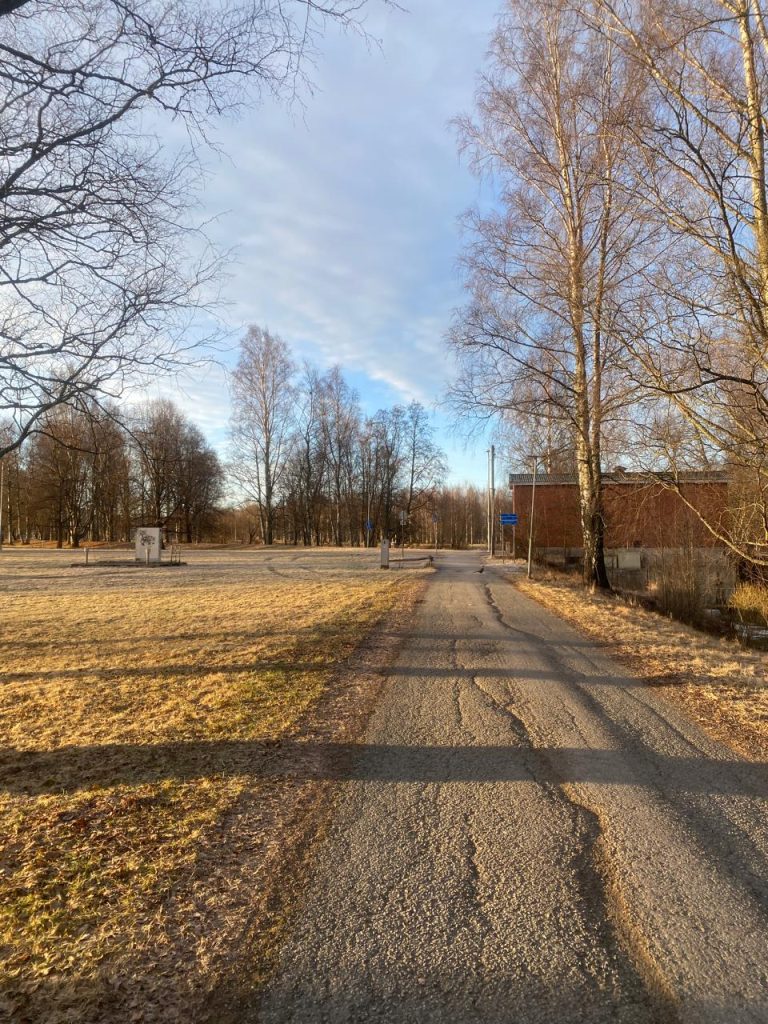
Rakkaan metsäpolkuni varrella oli oja, johon laskettiin aika-ajoin vettä. Se oli erään demonin ilmentymispaikka: veden tulo kohinalla tarkoitti demonin läsnäoloa. Tuota demonia vastaan taistelimme silloisen ystäväni kanssa maagisilla voimillamme ja loitsuillamme. Paikka oli siis samaan aikaan pelottava ja voimaannuttava. Se oli paikka, jossa itseämme suurempi pahuus ja hyvyys kohtasivat.
Luonnon ja metsän kontrastinen kokeminen on piirtynyt suomalaiseen sieluun. Kautta historian metsän rooli on ollut suomalaisille merkittävä. Se on ollut osa jokapäiväistä elämää. Yksinkertaistetusti voisi ajatella, että tarinoilla sanoitetaan ympäröivää todellisuutta. Ehkäpä juuri näistä syistä johtuen suomalaiset muinais- ja kansanuskot ovatkin tarinoineen, rituaaleineen ja loitsuineen piirtyneet paljolti metsäisen symboliikan varaan.
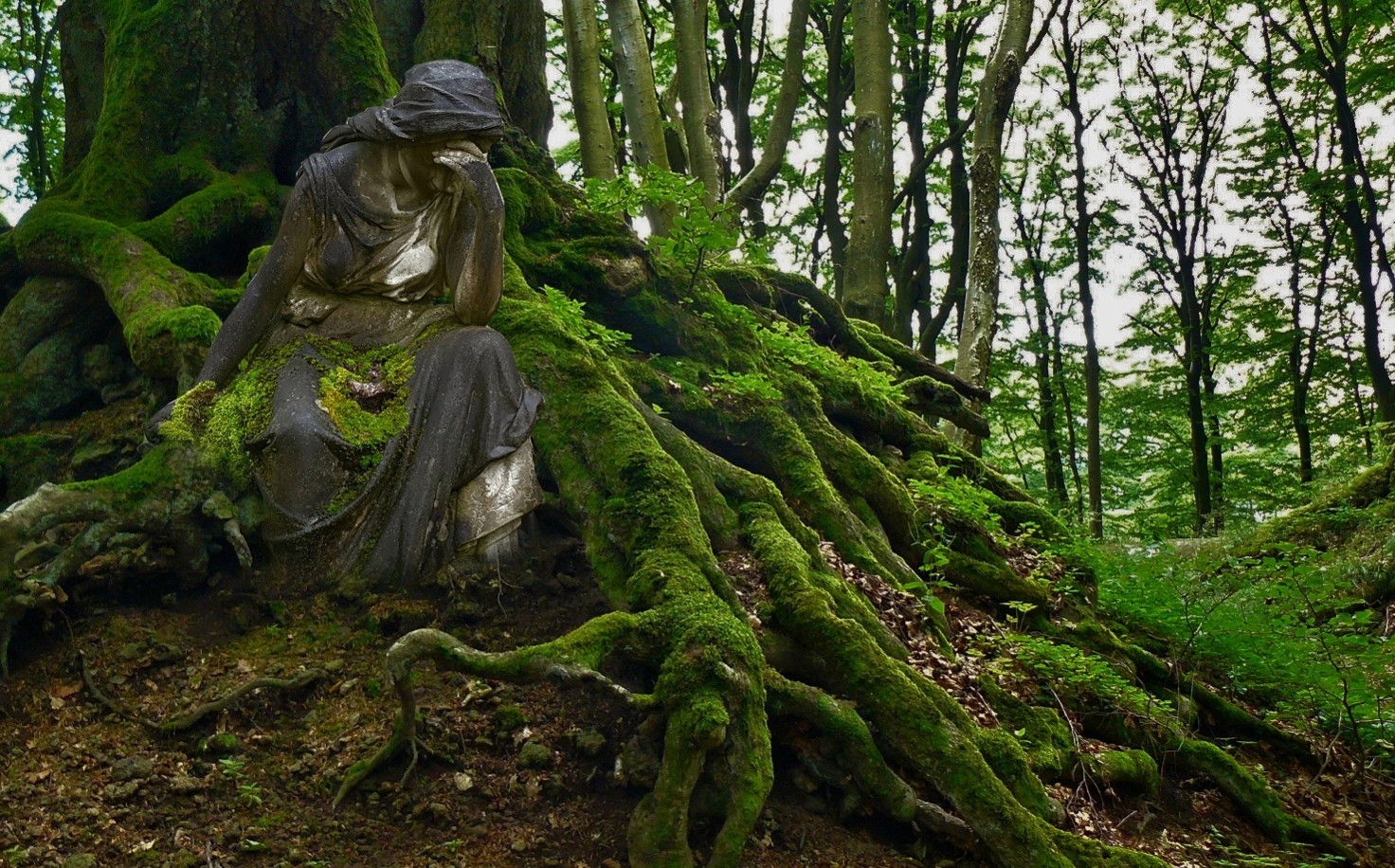
Toisaalta metsän koettiin olevan metsän väelle, kuten haltioille ja maahisille, kuuluva paikka, johon ihminen tunkeutuu, ja ollessaan varomaton, saattoi saada ylleen metsän väen langettaman sairauden. Toisaalta metsä kuitenkin koettiin myös positiivisen voiman lähteenä. Jumalilta pyydettiin metsästysonnea metsissä sijaitsevilla pyhillä paikoilla, rituaalipuilla tai rituaalikivillä. Puita pidettiin itsessäänkin pyhinä ja niillä uskottiin olevan sairauksia parantavia voimia. (Fiskarsmuseum, n.d.; Sommar, 2025.)
Vaikka arkielämämme, uskomuksemme ja toimintatapamme eivät enää nykyään suurilta osin ehkä sovikaan menneisyyden tarinoihin, on nykyinenkin metsäkokemus samaistettavissa niihin. Lapsuuteni demonitaistelut ovat omalla kohdallani hyvä esimerkki tästä. Metsä voi olla uhkaava ja vaarallinen, suuri ja hukuttava tai sitten se voi olla rauhoittava, elävöittävä ja jopa parantava.
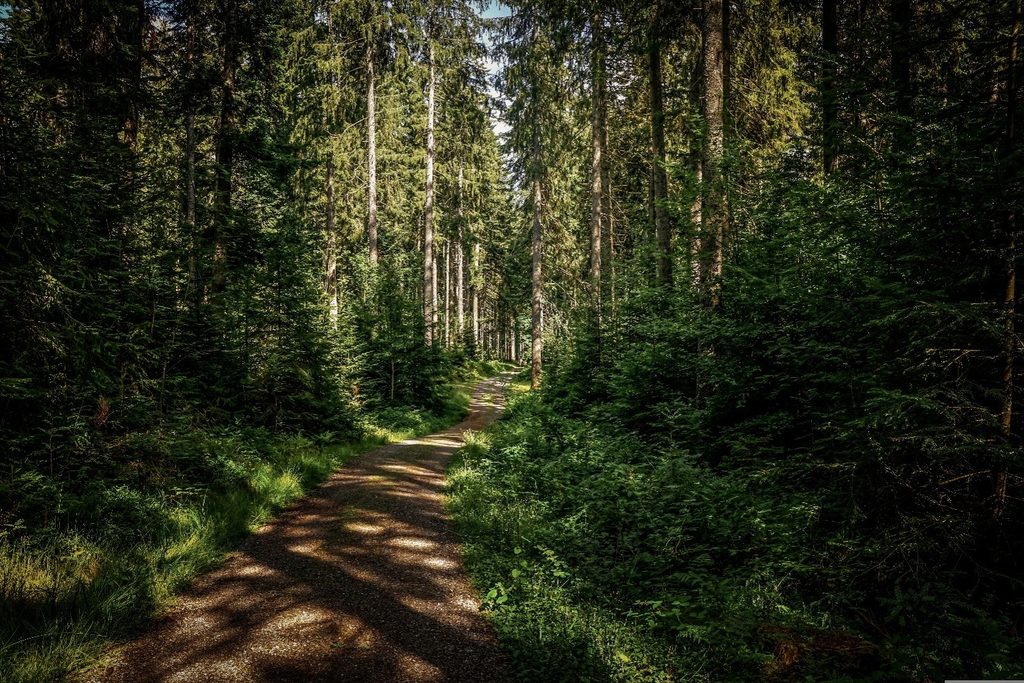
En ole henkilökohtaisesti koskaan varsinaisesti pelännyt eksymistä enkä ole oikeastaan edes kokenut eksyneeni, jos olenkin suhteellisen lähellä tuttua ympäristöä kadottanutkin suuntani. Pelottomuuteni eksymistä kohtaan lienee kuitenkin lähinnä seurausta siitä, että olen luottanut kykyyni löytää itselleni tuttuun paikkaan ennemmin tai myöhemmin, toimintaympäristöni ollessa kuitenkin melko rajattu ja tunnistettavien maamerkkien saattelema – eikä esimerkiksi synkkä, tiheä ja loputon metsä, jossa suuntavaisto katoaa, kun kerran räpäyttää silmiään, ja jossa on turha haaveilla Google Mapsin lohduttavasta syleilystä.
Kesällä 2026 sain kuitenkin kohdata elämäni ensimmäisen kokemuksellisen eksymisen, joskaan tässäkään ei mitään todellista vaaraa ollut, sillä älypuhelin löytyi laukunpohjalta. Halusin kuitenkin ottaa tämän hermoja raastavan tuntikausien Porin Metsää jalat kipeänä ympyrää kiertämisen seikkailullisena kokemuksena. Jos todella näinkin selkeässä ja tutuhkossa metsässä voi täysin kadottaa ymmärryksensä siitä, missä on ja mihin suuntaan on kulkemassa ja jokainen mutka ja polunpätkä alkaa näyttää samalta, en ole lainkaan ihmeissäni metsänpeiton myytin syntymisestä.
Metsänpeitto oli pelottava, unenkaltainen tila, johon metsänhaltija pystyi sulkemaan ihmisen. Sinne saattoi päätyä myös astuessaan polulta harhaan. Ollessaan metsänpeitossa, ihminen koki olevansa eksyksissä. Tarinoissa kerrottiin muun muassa luonnonelementeiksi tai näkymättömiksi muuttuneista ihmisistä. Mikäli metsänpeitosta vapautumiseen tarkoitetut rituaalit eivät vapauttaneet lumouksesta, viimeisenä keinona oli ennustajan suorittamat loitsut. (Fiskarsmuseum, n.d.; Sommar, 2025.)
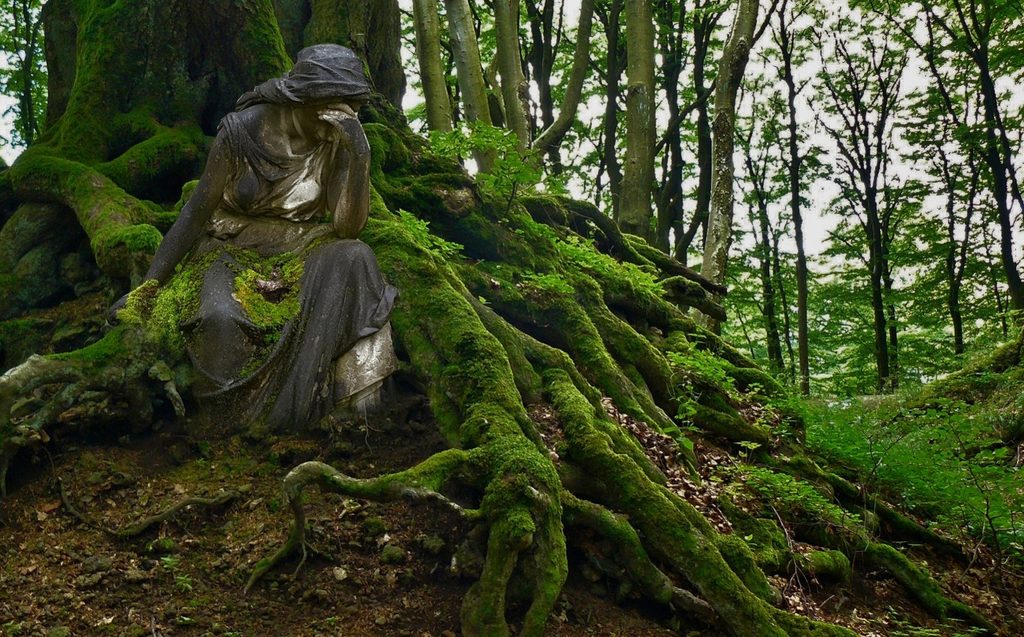
Minulle kerrottiin lapsena tarinaa pelottavasta möröstä, joka tulee öisin hakemaan lapsia, jotka eivät nuku. Ihmiset kauan ennen minua kertoivat tarinoita metsän väestä ja metsänpeitosta. Se, mikä on tuntematonta ja ihmisen hallitsemattomissa, on pelottavaa. Tarinat antavat tuntemattomalle nimen, tuovat sen lähemmäs ihmistä ja tekevät asioista ymmärrettävämpiä sekä lisäävät hallinnankokemusta, vähintään omassa toiminnassa.
Ehkä siksi emme ole koskaan lopettaneet tarinoiden kertomista: tarinat ja mielikuvat ovat vain muuttaneet muotoaan ajan saatossa.
Teksti: Pia Kiiveri
Lähteet:
Fiskarsmuseum. (n.d.) Myyttinen metsä. Haettu 27.9.2026 osoitteesta https://fiskarsmuseum.fi/tutki-opi/digimuseo/fiskarsin-metsat-ja-metsanhoito/myyttinen-metsa/
Sommar, H. (28.05.2025). Suomalaisessa kansanuskossa vilisee jumalia ja haltijoita, pyhyys löytyy metsästä. YLE. Haettu 27.9.2026 osoitteesta https://yle.fi/a/20-295760